Quick Taste
Seafood mornings on the Algarve Coast in Portugal are a delightful experience where the catch of the day is transformed into exquisite dishes with fresh, oceanic flavors. Lagos is ideal for first-time visitors due to its popular fish markets, while Tavira offers a more traditional flavor with its quaint fishing villages. For those seeking larger portions, Albufeira is the place, whereas Portimão caters to lighter options and dietary restrictions with its diverse offerings. The seafood is often grilled or lightly seasoned with olive oil, garlic, and herbs, creating a taste that is both fresh and savory.
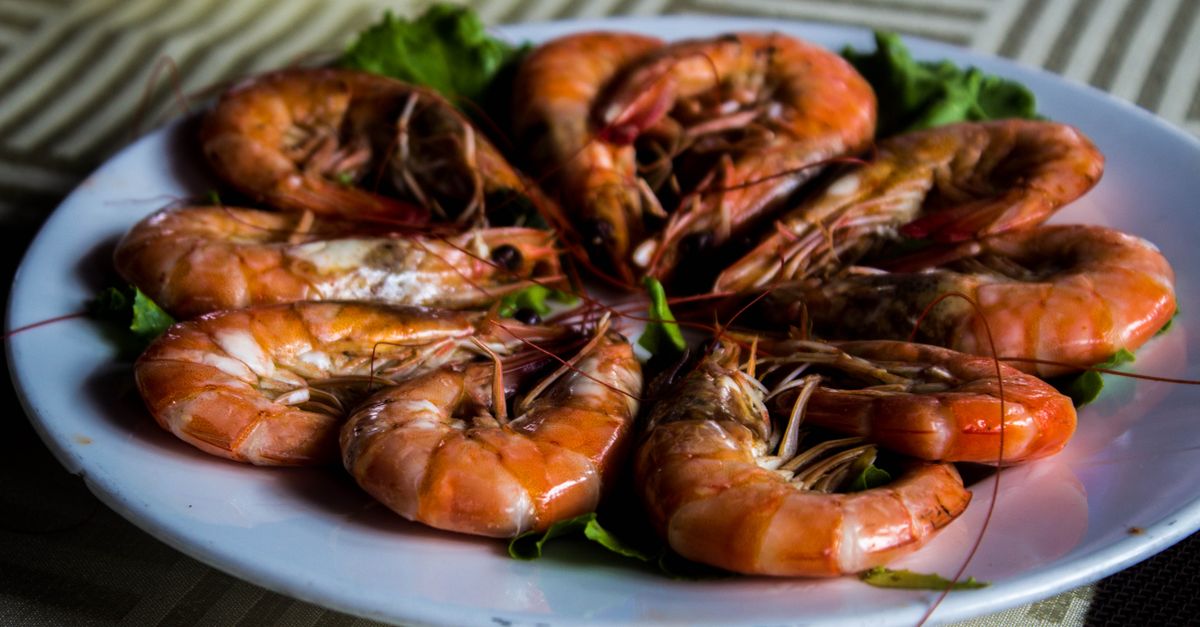
Visitors will find that seafood plays a significant role in the Algarve's food scene. The texture of the seafood is tender, and it is typically served warm, straight from the grill or pan. Common accompaniments include boiled potatoes, salads, and rice. Key variations might include the addition of piri-piri sauce for those who enjoy a bit of heat. Whether you’re enjoying a leisurely breakfast or brunch by the sea, the experience is enhanced by the sound of waves and the sea breeze. First-time visitors should not miss trying the local specialties like grilled sardines or cataplana, a seafood stew that is a staple in this region.
The Story Behind the Dish
The Algarve Coast, with its sprawling beaches and maritime history, has always been synonymous with seafood. The region's fishing traditions date back centuries, with locals relying heavily on the bounty of the Atlantic Ocean. Dishes like cataplana, a seafood stew cooked in a clam-shaped copper pot, and grilled sardines, known locally as "sardinhas assadas," are staples that reflect the area's cultural heritage. The influence of the Moors, who occupied the region for several centuries, can also be seen in the use of spices and herbs in seafood preparations.
One of the most notable dishes from the Algarve is the cataplana, named after the copper cookware in which it is prepared. This dish is a testament to the region's culinary ingenuity, combining various seafood with tomatoes, onions, and peppers, all simmered together to create a flavorful stew. Over time, the Algarve's seafood dishes have gained popularity beyond Portugal's borders, attracting visitors from around the world eager to taste the flavors of this coastal area.
How Locals Eat It
Seafood in the Algarve is typically enjoyed during the morning or early afternoon, often as part of a leisurely brunch or lunch. Locals prefer to savor these meals in a casual setting, accompanied by a glass of vinho verde or a crisp white wine from the nearby Alentejo region. Dishes are usually served with sides like boiled potatoes, fresh salads, or crusty bread to soak up the savory juices. The atmosphere is relaxed, with meals often shared among family and friends, embodying the communal spirit of Portuguese dining.
For many locals, a seafood meal is not complete without a glass of vinho verde, a light and slightly effervescent Portuguese wine that pairs perfectly with the flavors of the sea. It is also common to find locals adding a squeeze of lemon over their seafood to enhance its natural taste. Eating with one's hands is encouraged, especially when it comes to shellfish, as it adds to the informal and enjoyable dining experience.
Where to Find It
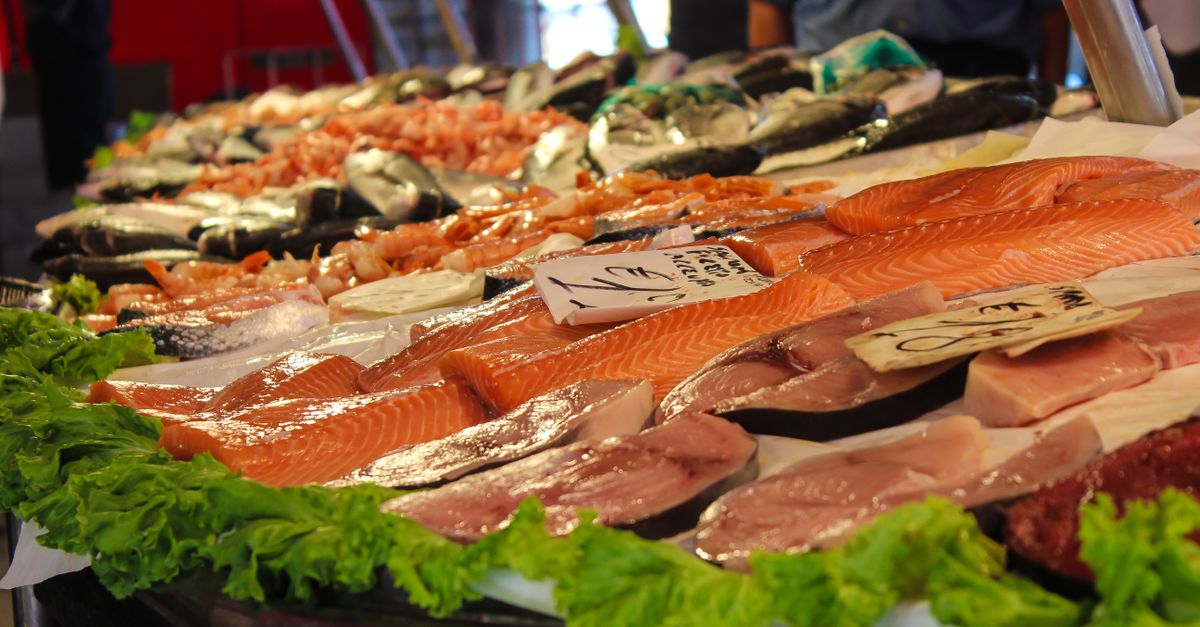
Visitors can find traditional seafood experiences at local markets, such as the Mercado Municipal in Lagos or the Mercado da Ribeira in Tavira. These lively markets offer a variety of fresh catches, from octopus to clams, ready to be prepared by skilled vendors. Street stalls and seaside cafés in towns like Albufeira and Portimão also serve up quick, delicious options for those on the go. For a more immersive experience, consider dining at a family-run taverna, where traditional recipes have been passed down through generations.
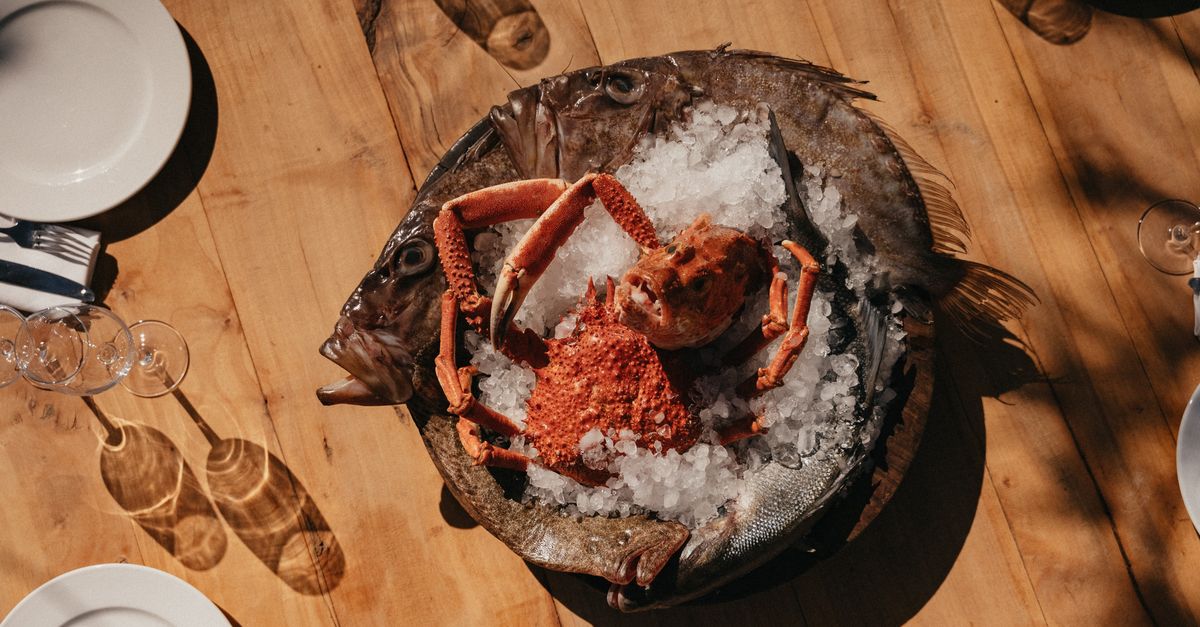
The Algarve Coast is dotted with numerous towns and villages where seafood is the star of the menu. Lagos, with its historic charm and popular marina, is a great place to start. Here, you can find traditional seafood restaurants that have been serving locals and tourists for generations. Albufeira, known for its lively atmosphere and beautiful beaches, offers a more diverse range of dining options, from casual beachside eateries to upscale restaurants.
City vs. Countryside Flavor
In the city of Lagos, the seafood experience is popular and accessible, with lively markets and numerous dining options. Tavira, on the other hand, offers a more traditional and serene setting, with its quaint fishing villages providing a glimpse into the region's past. Albufeira is known for its generous portions and lively atmosphere, making it a great choice for those looking to enjoy. Portimão, with its diverse food scene, caters well to dietary restrictions, offering lighter, health-conscious options. For first-time visitors, Lagos is the most convenient, while Tavira provides a more traditional taste of the Algarve's seafood heritage.
When it comes to seafood on the Algarve Coast, there is a noticeable difference between city and countryside flavors. In cities like Faro and Portimão, the seafood dishes tend to be more refined, with chefs experimenting with modern techniques and presentations. These urban areas offer a range of dining experiences, from casual cafes to fine dining establishments, catering to a variety of tastes and preferences.
Cost, Portions, and Ordering Tips
Seafood dishes on the Algarve Coast are generally affordable, with prices ranging from €10 to €25 depending on the dish and location. Portions are typically generous, especially in Albufeira, where sharing is common. When ordering, it's helpful to ask about the catch of the day or any special preparations. Cash is widely accepted, though most places also take cards. In tourist-heavy areas, prices may be slightly higher, so venturing to local markets or smaller eateries can offer better value.
When ordering, it's helpful to know that portions in the Algarve are typically hearty, designed to be shared among friends and family. If you're dining alone or with a small group, consider ordering a few different dishes to sample a variety of flavors. Always ask about the catch of the day, as this is often the freshest and most flavorful option available. For those with dietary restrictions, many restaurants are accommodating and can adjust dishes to suit your needs.
What to Know Before You Try It
Seafood in the Algarve is fresh and flavorful, but it's important to consider potential allergies, especially for shellfish. The dishes are generally not overly spicy, relying on the natural flavors of the ingredients. Market hygiene is typically good, but it's wise to observe cleanliness and freshness when selecting seafood. Seating in markets and street stalls can be limited, so be prepared for a casual dining experience.
Before indulging in a seafood feast on the Algarve Coast, there are a few things to keep in mind. First, the quality of the seafood is generally excellent, but it’s always wise to choose reputable establishments or markets known for their fresh offerings. If you have allergies or dietary restrictions, communicate clearly with your server to ensure your meal is prepared safely.
Common Mistakes Visitors Make
One common mistake is not trying the local specialties, such as cataplana or grilled sardines, and instead opting for more familiar international dishes. Visitors often underestimate portion sizes, leading to over-ordering. It's also easy to overlook the importance of pairing seafood with local wines, which enhances the overall dining experience. Finally, many visitors miss out on the traditional experience by sticking to tourist areas rather than exploring local markets and family-run establishments.
Another mistake is underestimating the portion sizes. Portuguese meals are often larger than what some visitors might be accustomed to, so it's wise to start with a smaller order and add more if needed. Additionally, visitors sometimes overlook the importance of pairing their meal with the right beverage. A local wine or beer can enhance the flavors of the seafood and complete the dining experience.
Frequently Asked Questions
Is seafood better in Lagos or Tavira?
Lagos offers a popular and accessible seafood scene, ideal for first-time visitors, while Tavira provides a more traditional and serene experience with traditional flavors.
What does cataplana taste like?
Cataplana is a savory stew with a blend of seafood flavors, enhanced by garlic, herbs, and olive oil, offering a taste of the sea in every bite.
How much does seafood usually cost on the Algarve Coast?
Seafood dishes typically range from €10 to €25, with prices varying based on the dish and location.
What should I order with grilled sardines?
Grilled sardines pair well with boiled potatoes, fresh salad, and a glass of vinho verde or local white wine.
Related Golden Horizons Guides
- Best Countries to Retire Abroad on a Budget
- Healthcare Abroad for American Retirees
- Retiring Abroad Checklist for Americans
- Visa Rules for Americans Retiring Abroad
About Golden Horizons
Golden Horizons is the retirement abroad magazine for Americans who aren’t done yet.
Final Bite
Seafood mornings on the Algarve Coast offer a delicious glimpse into Portugal's maritime culture. With fresh catches prepared simply yet expertly, these meals are a testament to the region's culinary prowess. Whether you're a seasoned seafood enthusiast or a curious newcomer, the Algarve's offerings promise a memorable experience that speaks to the heart of Portuguese life. Before you go, remember to embrace the local dining customs and savor each bite with a sense of adventure.