Philippines - Hidden Islands Beyond the Tourist Hotspots — A Local's Perspective
The Philippines, an archipelago of over 7,000 islands, offers a paradise of hidden gems for retirees seeking a tranquil escape beyond the usual tourist hotspots. While destinations like Boracay and Palawan are well-known, there's a quieter side to the Philippines that promises a serene lifestyle, cultural richness, and affordability. If you're considering a retirement filled with sun, sea, and a laid-back pace, exploring these lesser-known islands may be your answer.
Why This Place Stays Under the Radar
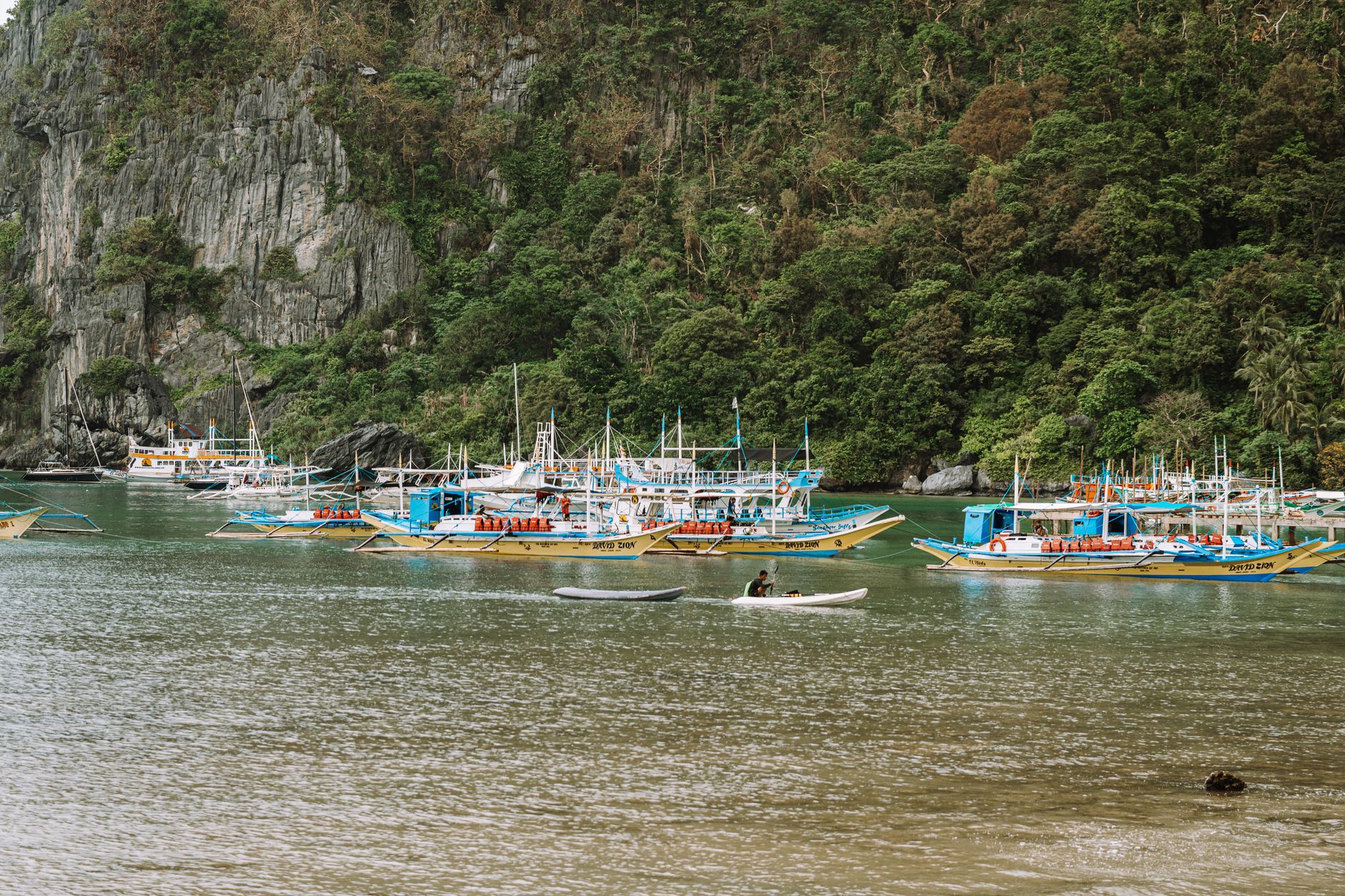
The Philippines' hidden islands often remain under the radar due to their remote locations and limited accessibility. Unlike the bustling tourist hubs, these islands provide a unique charm that appeals to those who appreciate solitude and natural beauty. The lack of commercial development on many of these islands means fewer crowds and a more authentic experience of Filipino culture and traditions.
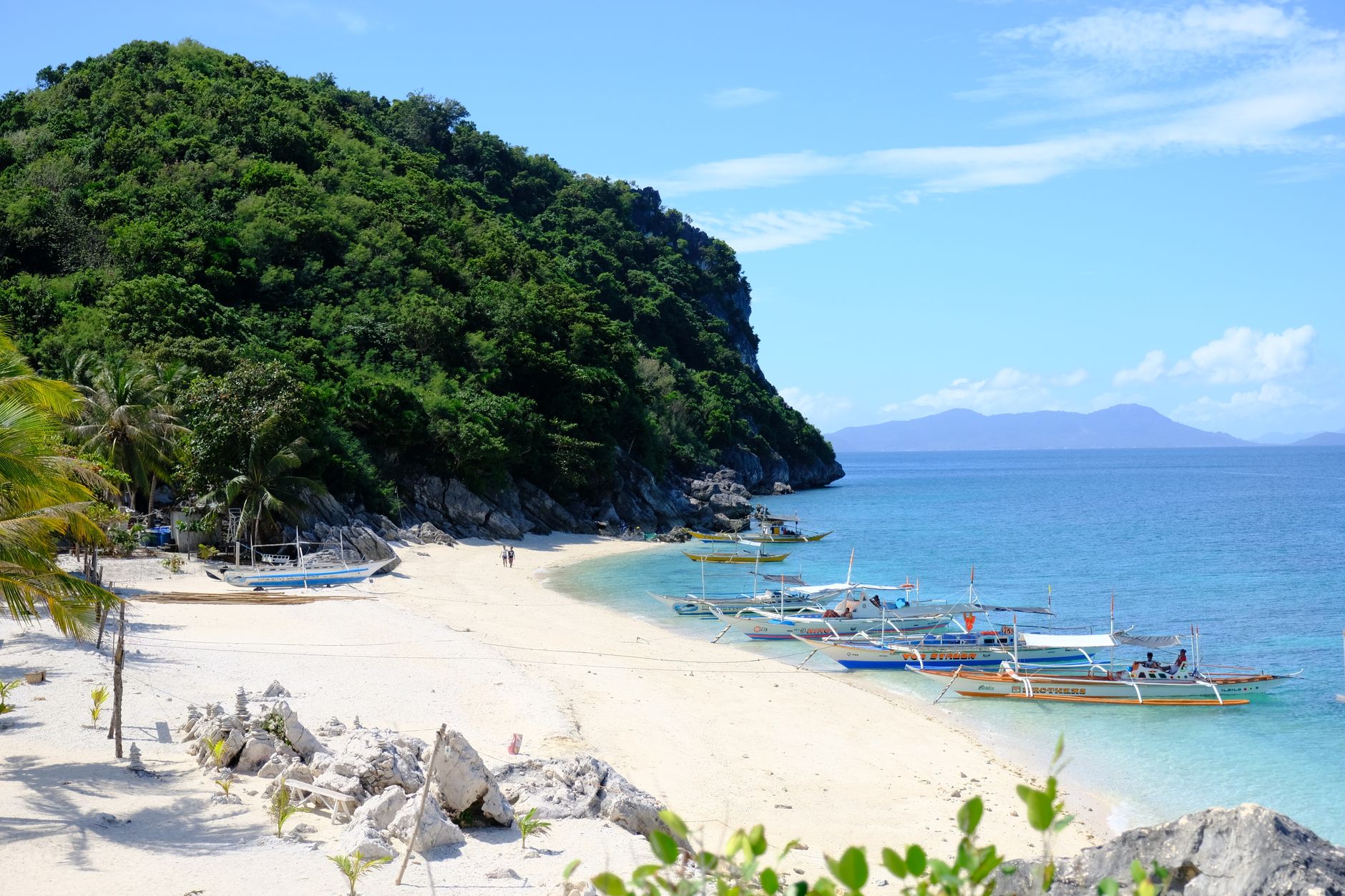
For retirees, the appeal lies in the slower pace of life and the opportunity to immerse oneself in local communities. Islands such as Siquijor, Camiguin, and Guimaras offer stunning landscapes, from pristine beaches to lush forests, without the overwhelming tourist infrastructure. This seclusion can be a double-edged sword; while it offers peace and quiet, it may also mean limited access to certain amenities and conveniences found in more developed areas.
The cost of living on these islands can be significantly lower than in urban centers. With a monthly budget ranging from $2,000 to $5,000, retirees can often enjoy a comfortable lifestyle, including housing, dining, and leisure activities. However, it's essential to consider that the cost of imported goods can be higher due to transportation logistics, making local products a more economical choice.
Daily Life, Access, and Community
Daily life on these hidden islands is typically relaxed, with a strong sense of community. Residents often engage in traditional activities such as fishing, farming, and handicrafts, providing a glimpse into a way of life that has remained unchanged for generations. The Filipino people are known for their warmth and hospitality, making it easier for retirees to integrate into local communities.
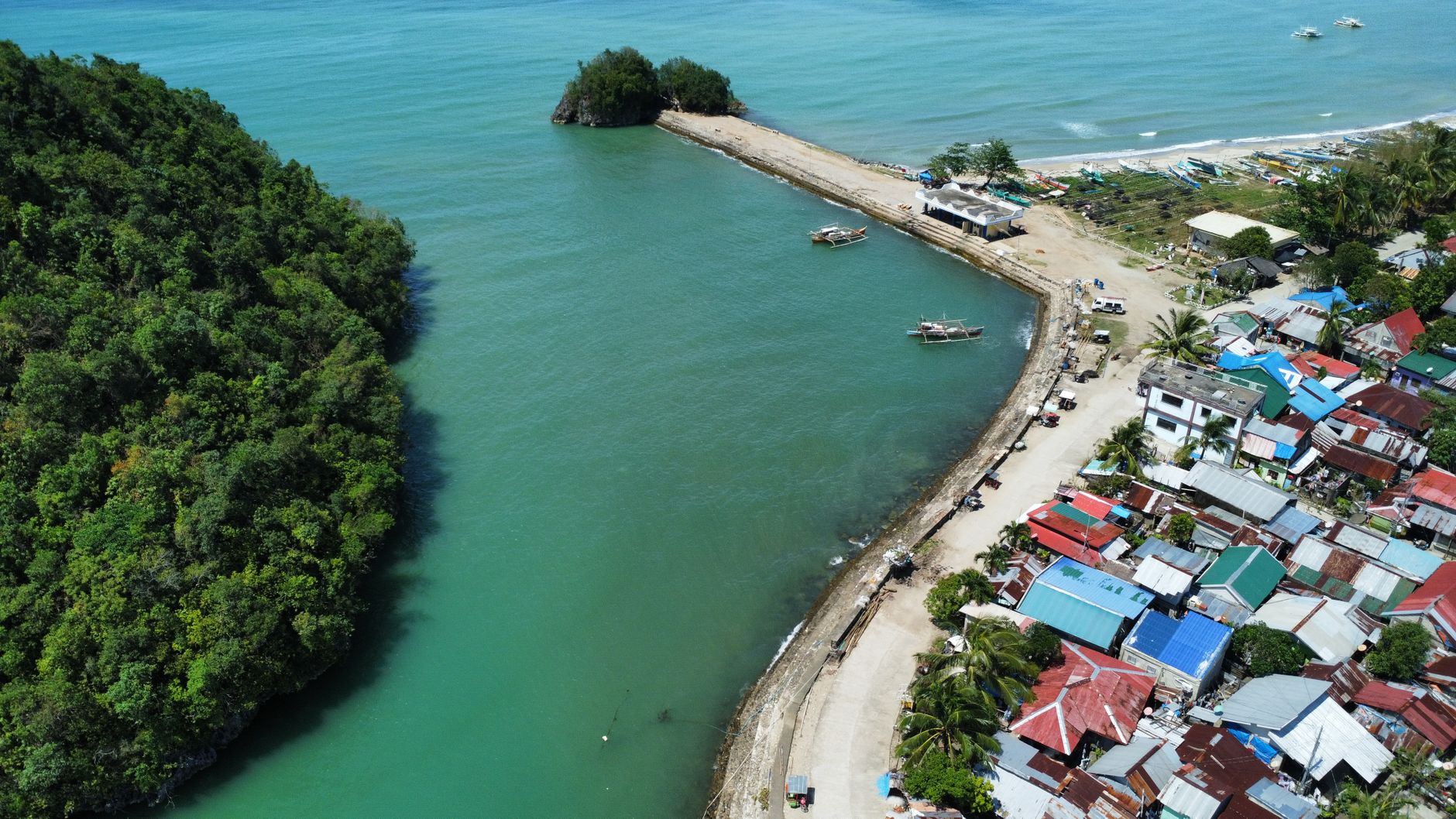
Access to these islands can vary. Some are reachable by domestic flights followed by a short boat ride, while others may require longer travel times. It's crucial for retirees to consider the frequency and reliability of transport when planning their move. While the journey may be more complex than hopping on a direct flight, the reward is often a more peaceful and undisturbed environment.
Healthcare facilities on these islands may not be as advanced as those in major cities, so retirees with specific medical needs should assess the availability of services carefully. Many retirees opt for regular check-ups in nearby cities or return to the U.S. for more complex medical care. It's advisable to have a plan in place for medical emergencies, including evacuation options if necessary.
Who Should Consider It — and Who Should Not
Retiring to the hidden islands of the Philippines is ideal for those who value simplicity, natural beauty, and a tight-knit community. It's a perfect fit for retirees who enjoy outdoor activities such as snorkeling, hiking, and exploring untouched landscapes. If you're someone who finds joy in disconnecting from the hustle and bustle and embracing a slower pace of life, these islands may offer the perfect retirement haven.
However, this lifestyle may not suit everyone. Those who thrive in a bustling urban environment or need frequent access to high-end amenities and healthcare facilities might find the remoteness challenging. The slower pace and limited infrastructure may feel isolating to some, especially if they're accustomed to the conveniences of city life.
Additionally, while English is widely spoken in the Philippines, learning a few phrases in the local dialect can enhance the experience and help build stronger connections with the community. Prospective retirees should also consider the climate, as the Philippines experiences a tropical climate with a rainy season that can affect travel plans and daily activities.
In conclusion, the hidden islands of the Philippines offer a unique retirement experience for those who seek tranquility and an authentic connection with nature and culture. By weighing the benefits and tradeoffs, and planning accordingly, retirees can find a rewarding and fulfilling lifestyle in one of Southeast Asia's most beautiful and unspoiled regions. As always, conducting thorough research and visiting potential locations ahead of time can ensure that this move aligns with your retirement dreams.