
Panama - Oceanfront Living on Panama’s Pacific Coast — A Local’s Perspective
For many retirees, the idea of oceanfront living conjures images of luxury that seem out of reach. However, Panama’s Pacific Coast presents a nuanced reality. While the cost of living can be surprisingly moderate, lifestyle adjustments and infrastructure limitations require careful consideration. This article explores what retirees can realistically expect if they choose to settle along Panama's Pacific shores.
Cost of Living and Housing
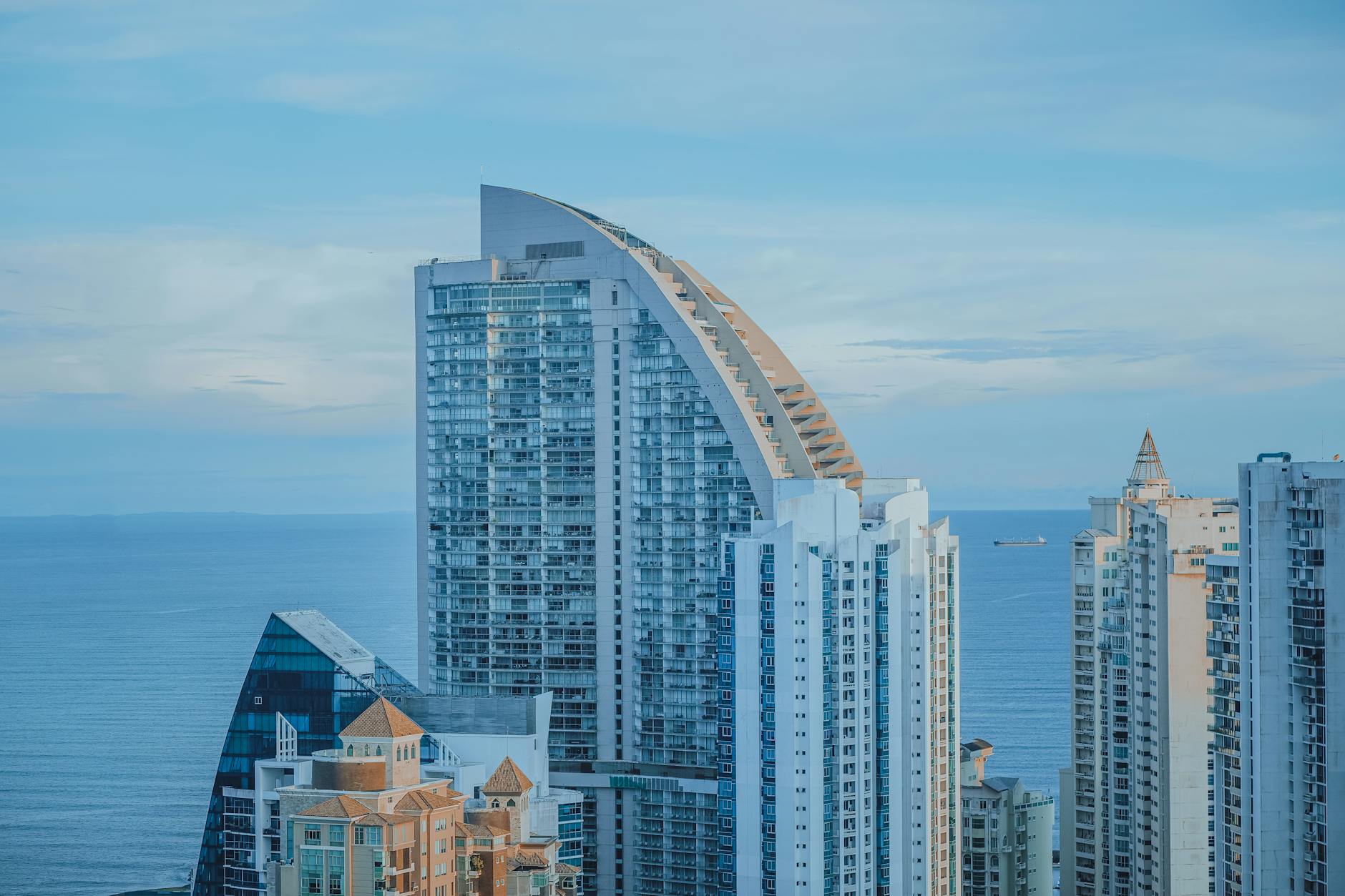
Panama’s Pacific Coast offers a range of living options, from modest apartments to more upscale homes. On average, retirees can expect to spend between $2,000 and $5,000 per month, depending on their lifestyle. Renting a modest one-bedroom apartment near the beach might cost around $800 to $1,500 per month, whereas a more luxurious oceanfront property could set you back $2,500 or more.
Daily expenses such as groceries, utilities, and dining out tend to be lower than in many U.S. cities. A typical meal at a local restaurant may cost around $5 to $15, and utilities for a small apartment might range from $100 to $150 monthly. However, imported goods and dining at high-end restaurants can quickly increase expenses.
The tradeoff for these reasonable costs is the variability in housing quality and availability. While there are modern developments, some areas may lack consistent services such as reliable internet or water pressure. Retirees should also be mindful of the need to budget for potential repairs or upgrades to their homes, as construction standards can vary.
Healthcare and Accessibility
Healthcare in Panama is often cited as a significant advantage for retirees, with costs considerably lower than in the U.S. Public healthcare facilities are available, but many expatriates opt for private hospitals due to shorter wait times and English-speaking staff. A visit to a private doctor might cost $40 to $60, and health insurance premiums can range from $100 to $300 per month, depending on coverage.

However, access to healthcare facilities along the Pacific Coast may require travel, as the best hospitals are typically located in Panama City. This can be a limitation, especially for those with ongoing medical needs. Retirees should consider their proximity to healthcare facilities when choosing where to live.
Transportation infrastructure can also pose challenges. While buses are the primary mode of public transport, they may not be convenient for everyone, particularly those with mobility issues. Owning a car can provide greater flexibility, but import taxes make purchasing vehicles in Panama relatively expensive.
Lifestyle and Community
The daily lifestyle along Panama’s Pacific Coast is often characterized by a slower pace and close-knit communities. Retirees can enjoy morning walks on the beach, fresh seafood at local markets, and a generally relaxed atmosphere. Social life often revolves around local events and gatherings, providing opportunities to integrate with both expatriates and locals.
However, this laid-back lifestyle comes with certain tradeoffs. While some may appreciate the tranquility, others might find the slow pace and limited entertainment options less stimulating. Moreover, language barriers can present challenges; although English is widely spoken in expatriate communities, Spanish is the predominant language in most areas.
Community activities and social gatherings can help mitigate feelings of isolation, but retirees should evaluate whether they are comfortable with the level of social and cultural engagement available. For those who thrive on a vibrant cultural scene, the quieter lifestyle may require adjustment.
In summary, Panama’s Pacific Coast offers a blend of affordability and natural beauty but requires careful consideration of lifestyle preferences and infrastructure limitations. Retirees should weigh these factors against their personal needs and expectations to determine if this destination aligns with their retirement goals.


