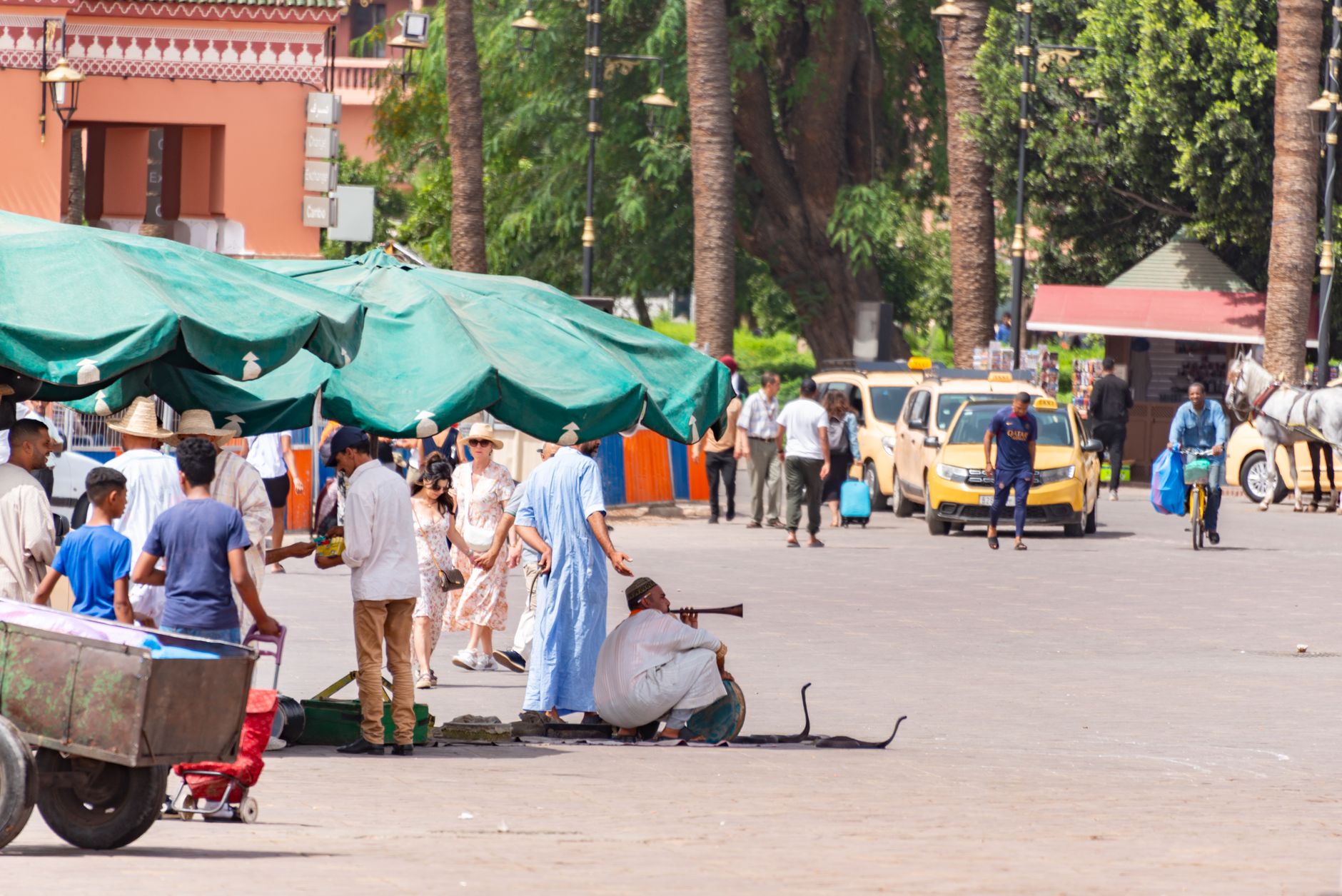
Morocco - Cost of Living in Marrakech vs Essaouira — A Local's Perspective
Choosing where to retire is a significant decision, and for those considering Morocco, the vibrant cities of Marrakech and Essaouira offer distinct lifestyles and economic climates. With a budget of $2,000 to $5,000 per month, retirees can explore a range of living experiences in these culturally rich locales. This article breaks down the cost of living, housing options, healthcare, and overall lifestyle in Marrakech and Essaouira to help you make an informed choice.
Housing and Cost of Living
In Marrakech, the cost of living varies significantly depending on your lifestyle preferences. Known for its bustling markets and historic medina, Marrakech offers a wide range of housing options. A one-bedroom apartment in the city center might cost between $500 and $800 per month, while those preferring more luxurious accommodations in neighborhoods like Hivernage or Gueliz could spend upwards of $1,500. Utility costs, including electricity, heating, and water, generally add another $100 to $150 monthly.
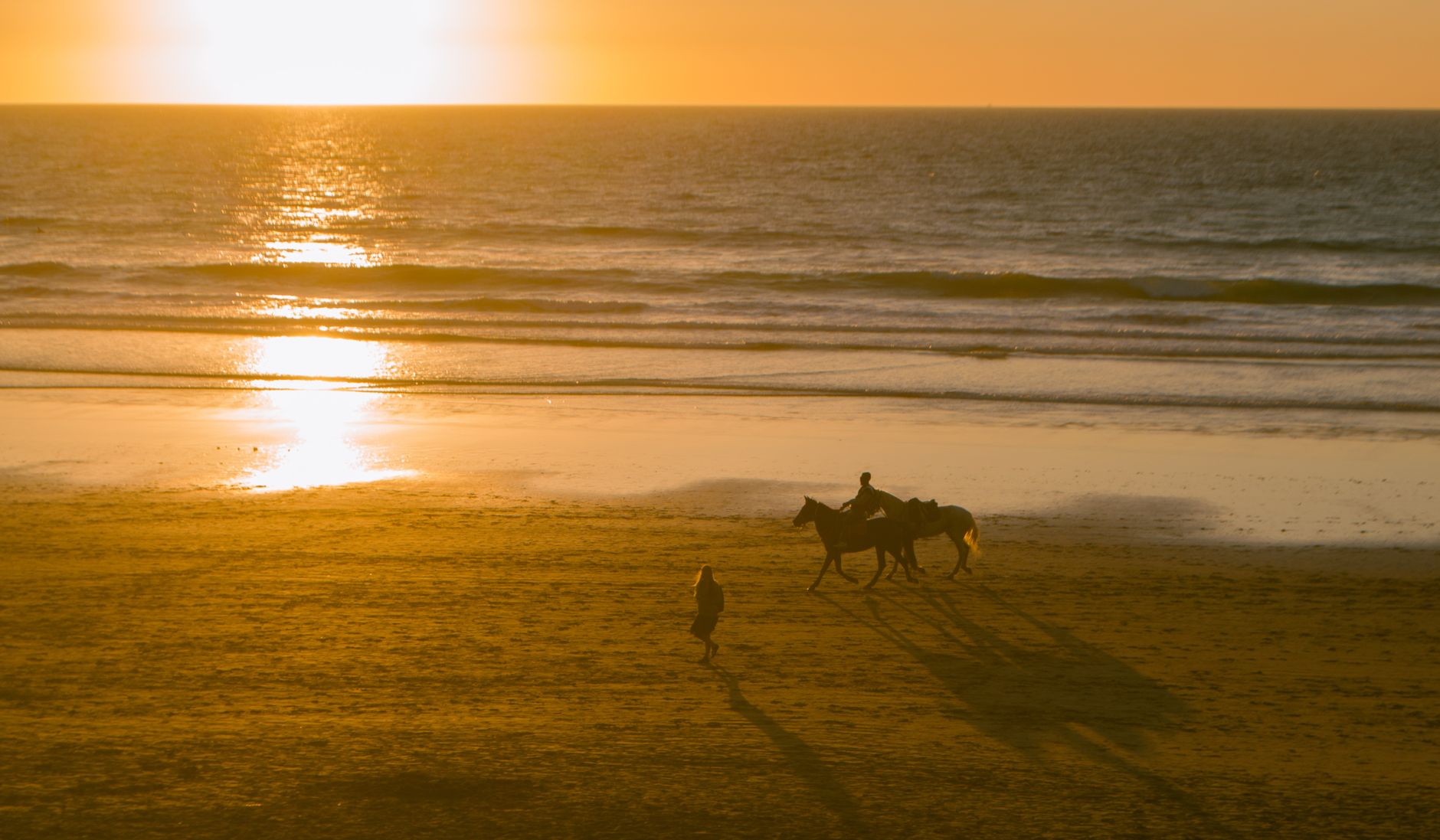
In contrast, Essaouira, with its laid-back coastal vibe, tends to be more affordable. A similar one-bedroom apartment in the heart of the city can cost between $300 and $600. For those seeking a more spacious villa with ocean views, the monthly rent might range from $900 to $1,200. Utilities in Essaouira are often slightly lower, averaging around $80 to $120 per month due to the milder climate.
Groceries and dining out are generally affordable in both cities, though Marrakech offers a wider range of dining experiences, from high-end restaurants to street food. A meal at a mid-range restaurant in Marrakech typically costs about $10 to $15 per person, while in Essaouira, it might be slightly less, around $8 to $12. For groceries, local markets provide fresh produce at reasonable prices, with a monthly grocery bill for two averaging between $200 and $300.
Healthcare Access and Quality
Healthcare is an essential consideration for retirees, and both Marrakech and Essaouira provide access to medical facilities, though with varying levels of quality and convenience. Marrakech, as a larger city, boasts several private clinics and hospitals that offer quality healthcare services. These facilities often have English-speaking staff and provide a range of services from routine check-ups to specialized treatments. Health insurance is advisable, with premiums ranging from $100 to $300 per month depending on coverage.

Essaouira, being smaller, has fewer healthcare options, but still offers adequate medical services for basic needs. For more specialized care, residents might need to travel to Marrakech or Casablanca. The local clinics and hospitals in Essaouira are generally well-regarded for general practice, but retirees should ensure they have a health insurance plan that covers potential travel for medical reasons.
Pharmacies are plentiful in both cities and are well-stocked with essential medications. Expats often find that prescription medicines are cheaper in Morocco than in the U.S., though availability can vary for specific brands or types.
Daily Lifestyle and Transportation
Marrakech presents a dynamic lifestyle with its lively souks, cultural festivals, and vibrant nightlife. The city is quite walkable, especially in the medina and Gueliz areas, though the hustle and bustle can be overwhelming for some. Public transportation includes buses and taxis, with fares typically low; a bus ticket costs around $0.40, while a short taxi ride might be $2 to $5. Owning a car is not necessary but can be convenient for exploring beyond the city.
Essaouira offers a more relaxed pace, ideal for those looking to escape the intensity of city life. Its compact size makes it highly walkable, and the Atlantic breezes provide a refreshing climate. The social scene is more subdued compared to Marrakech, but the city has a rich artistic community and numerous local events. Public transportation is limited, but taxis are readily available and affordable. Many retirees enjoy the simplicity of life in Essaouira, where daily routines often include leisurely walks along the beach and casual dining at local cafes.
While both cities offer unique experiences, potential downsides include adapting to cultural differences and language barriers. French and Arabic are the primary languages, though English is increasingly spoken, especially in tourist areas. Retirees should also be prepared for varying levels of infrastructure, as internet speeds can be inconsistent, particularly in rural areas.


