Quick Taste
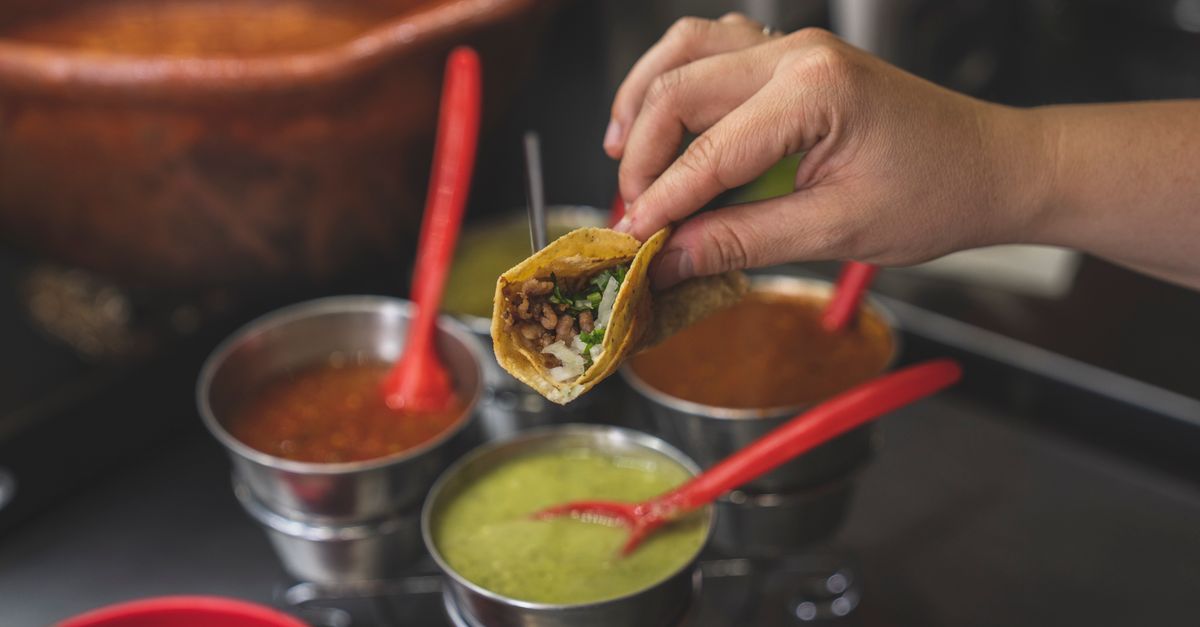
Market foods in Mexico City are popular expressions of the city's culinary diversity, offering a mix of bold flavors, fresh ingredients, and traditional techniques. The lively markets of La Merced and Coyoacán are prime spots for experiencing these flavors. La Merced is better for those seeking a wide variety of traditional ingredients and traditional street food experiences, while Coyoacán offers a more relaxed atmosphere with artisanal and organic options.
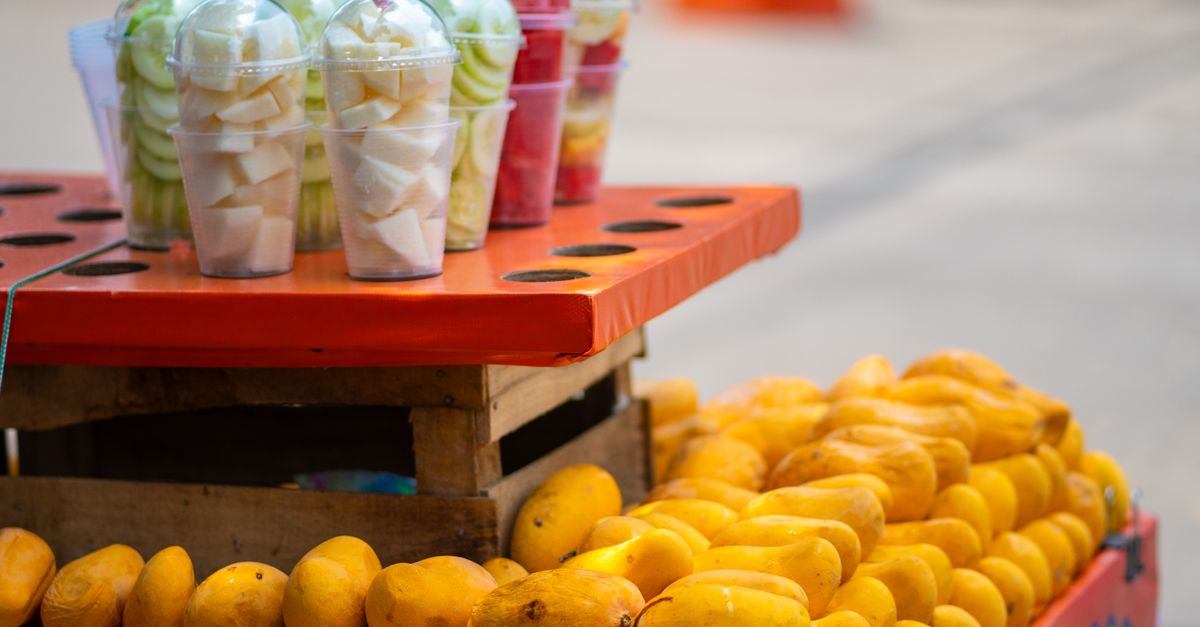
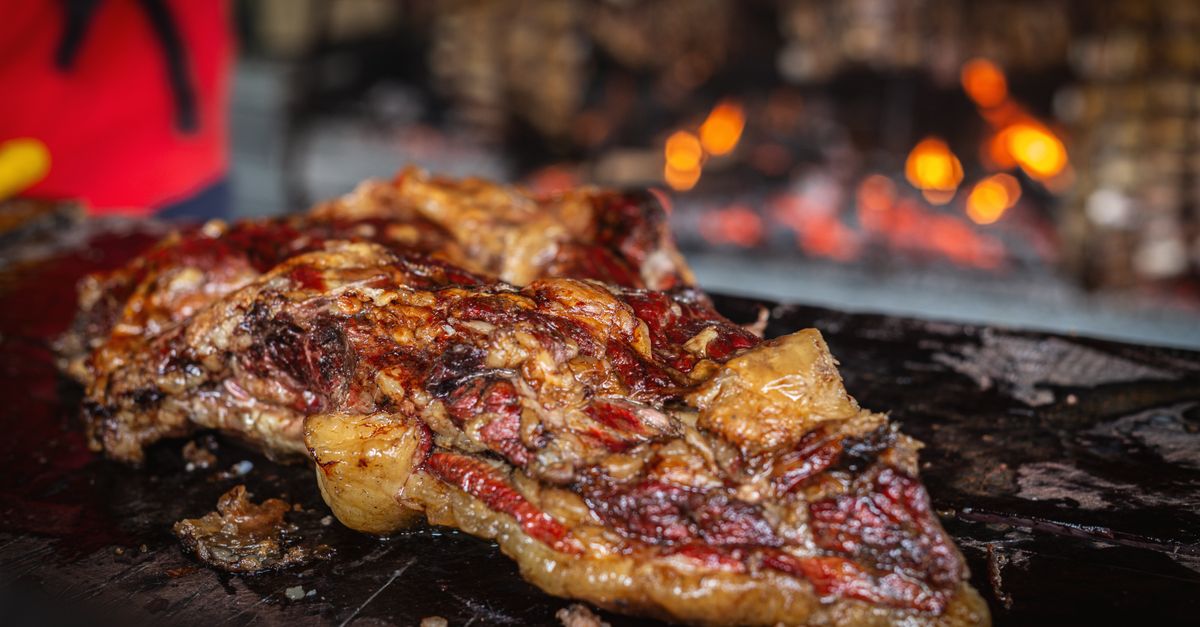
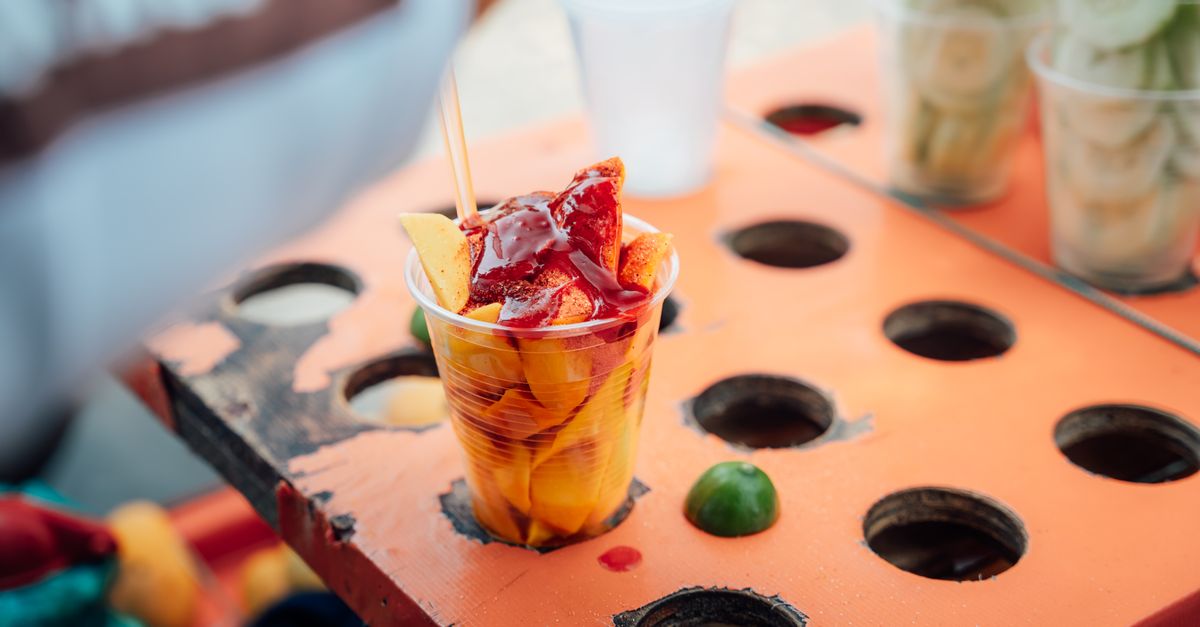
When visiting these markets, expect a sensory feast. The aroma of sizzling meats, the popular colors of fresh produce, and the lively banter of vendors create an immersive experience. Tacos, tamales, and quesadillas are staples, each with unique fillings like chorizo, mushrooms, or huitlacoche. Salsas range from mild to fiery, and fresh lime adds a zesty finish. For a sweet treat, churros and atole are popular choices. Be prepared for lively crowds, especially during weekends, and bring cash, as many vendors do not accept cards.
The Story Behind the Dish
The market foods of Mexico City have deep roots in the country's history, reflecting a blend of indigenous and Spanish influences. The Aztecs were known for their sophisticated agricultural practices and use of native ingredients like corn, beans, and chili peppers, which remain staples in Mexican cuisine today. The arrival of the Spanish introduced new ingredients such as pork, beef, and dairy, which were quickly integrated into local dishes.
Over the centuries, Mexico City's markets have evolved into cultural hubs where food traditions are preserved and celebrated. Each market has its own specialties, often passed down through generations. For example, the tamales sold at La Merced are renowned for their variety and traditionality, while the mole from the San Juan Market showcases the complex blend of spices and chocolate that define this well-known sauce. These markets not only provide sustenance but also serve as a living history of Mexico's culinary evolution.
How Locals Eat It
Locals in Mexico City approach market food with a sense of pride and enthusiasm. Eating at a market is not just about the food; it's a social experience. Friends and family gather around small tables, sharing plates and stories. Vendors often have loyal followings, with customers returning time and again for their favorite dishes.
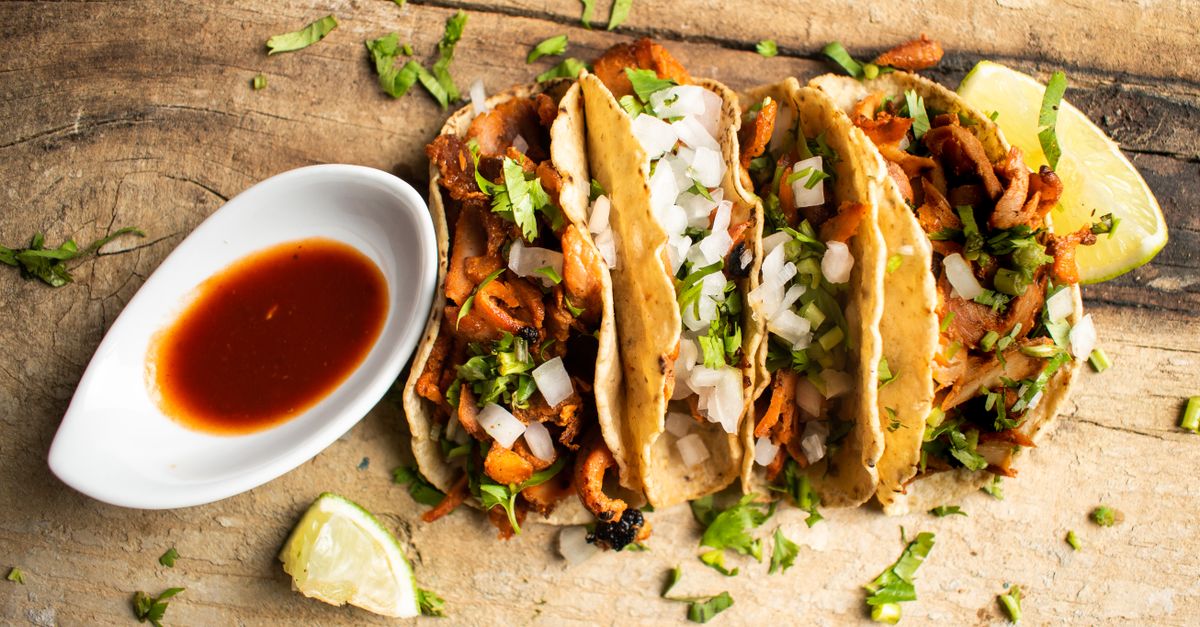
A typical market meal might start with a plate of tacos al pastor, featuring marinated pork shaved from a vertical spit, topped with onions, cilantro, and a squeeze of lime. For those seeking something heartier, a bowl of pozole—hominy soup with pork or chicken—offers a comforting option. Locals often pair their meals with aguas frescas, refreshing drinks made from fruits like hibiscus or tamarind. Eating at a market is a casual affair, with diners encouraged to try a little of everything, enjoying the diverse flavors that each stall has to offer.
Where to Find It
Mexico City's markets are scattered throughout the city, each offering its own dining experience. La Merced, one of the largest and oldest markets, is a must-visit for its sheer variety of food and ingredients. Here, you can find everything from fresh produce to handmade tortillas and traditional sweets. The market's labyrinthine layout adds to its allure, with surprises around every corner.

For a more artisanal experience, head to the Coyoacán Market, where vendors offer organic produce and gourmet items. This market is known for its relaxed vibe and is a great place to try unique dishes like esquites—corn kernels sautéed with butter, cheese, and chili. The San Juan Market, famous for its exotic meats and seafood, attracts chefs and food enthusiasts alike. Whether you're a seasoned traveler or a curious visitor, these markets provide a taste of Mexico City's culinary soul.
City vs. Countryside Flavor
The flavors of Mexico City's market foods are distinct from those found in rural areas, reflecting the city's cosmopolitan nature and access to diverse ingredients. In the city, you'll find a fusion of traditional and modern influences, with dishes that cater to a wide range of palates. The markets are a melting pot of regional specialties, offering everything from Oaxacan cheese to Yucatecan cochinita pibil.
In contrast, countryside markets focus on local ingredients and time-honored recipes. The flavors are often more rustic and straightforward, with an emphasis on freshness and simplicity. Dishes like barbacoa, slow-cooked lamb or goat, are commonly found in rural areas, prepared in traditional pit ovens for an earthy, smoky flavor. While city markets offer convenience and variety, countryside markets provide a glimpse into the heart of Mexico's food traditions.
Cost, Portions, and Ordering Tips
Market food in Mexico City is known for its affordability and generous portions. A meal at a market stall can cost as little as 50 to 100 pesos, making it an excellent option for budget-conscious travelers. Portions are typically hearty, with vendors often willing to customize orders to suit individual preferences.
When ordering, it's helpful to know a few key phrases in Spanish, such as "¿Cuánto cuesta?" (How much does it cost?) and "Sin picante, por favor" (No spice, please). Many stalls have menus displayed, but don't hesitate to ask the vendor for recommendations or to explain unfamiliar dishes. It's common to order multiple small plates to share, allowing you to sample a variety of flavors. Keep an eye out for daily specials, which often feature seasonal ingredients and offer great value.
What to Know Before You Try It
Before diving into Mexico City's market foods, there are a few things to keep in mind. Hygiene standards can vary, so it's wise to observe the cleanliness of a stall before ordering. Look for vendors with a steady stream of local customers, as this is often a sign of quality and freshness. It's also a good idea to carry hand sanitizer and napkins, as these may not always be provided.
Food safety is generally good, but if you have a sensitive stomach, start with cooked dishes and gradually try raw items like ceviche. Be mindful of spice levels, as some salsas can be quite hot. If you have dietary restrictions, communicate them clearly to the vendor, as many are accommodating and can suggest suitable options. Finally, bring cash in small denominations, as most vendors do not accept credit cards.
Common Mistakes Visitors Make
Visitors to Mexico City's markets often make the mistake of sticking to familiar foods, missing out on the opportunity to try something new. While tacos and quesadillas are delicious, don't be afraid to venture beyond these staples. Dishes like tlacoyos—oval-shaped masa cakes filled with beans or cheese—offer a unique taste of local flavors.
Another common mistake is not pacing oneself. With so many tempting options, it's easy to overenjoy. Instead, sample a few dishes and take note of your favorites for a return visit. Some visitors also forget to check the market's opening days and hours, leading to disappointment. Markets can be crowded, especially on weekends, so plan your visit during off-peak times for a more relaxed experience.
Frequently Asked Questions
What are the worth trying market foods in Mexico City?
While every market has its specialties, some worth trying foods include tacos al pastor, tamales, and mole. Don't miss out on trying esquites and tlacoyos for a taste of local flavors. For dessert, churros and atole are popular choices.
Are market foods safe to eat for tourists?
Generally, market foods are safe to eat, but it's important to choose stalls that appear clean and have a steady flow of local customers. Start with cooked dishes if you have a sensitive stomach, and always carry hand sanitizer.
How much should I expect to spend on a market meal?
A meal at a market stall in Mexico City typically costs between 50 to 100 pesos, depending on the dishes and portions you choose. This makes market dining an affordable option for travelers.
Do I need to speak Spanish to order food at the markets?
While knowing some basic Spanish phrases can be helpful, many vendors are accustomed to serving tourists and can assist with ordering. Pointing to menu items and using simple words can also facilitate communication.
Related Golden Horizons Guides
- Best Countries to Retire Abroad on a Budget
- Healthcare Abroad for American Retirees
- Retiring Abroad Checklist for Americans
- Visa Rules for Americans Retiring Abroad
About Golden Horizons
Golden Horizons is the retirement abroad magazine for Americans who aren’t done yet.
Final Bite
Market foods in Mexico City offer a popular and delicious way to experience the city's culinary diversity. From the lively stalls of La Merced to the artisanal offerings of Coyoacán, these markets provide a window into the heart and soul of Mexican cuisine. Whether you're a seasoned traveler or a first-time visitor, the flavors, aromas, and energy of Mexico City's markets are sure to leave a lasting impression. Remember to explore with an open mind and a hearty appetite, and you're guaranteed to find something new and exciting.