
Malaysia - Healthcare Quality for Expats in Malaysia — A Local's Perspective
When considering retiring abroad, healthcare quality becomes a pivotal factor in the decision-making process. Malaysia, with its tropical climate and vibrant culture, is an increasingly popular choice among retirees. However, understanding the intricacies of the healthcare system is essential to ensure it aligns with your needs and expectations. This article delves into the practical aspects of healthcare quality for expats in Malaysia, offering insights into cost, access, and lifestyle considerations.
Cost of Healthcare in Malaysia
Malaysia offers a dual-tiered healthcare system comprising both public and private facilities. For expats, private healthcare is often the preferred choice due to shorter waiting times and a higher standard of service. The cost of healthcare in Malaysia is generally lower than in the United States, which can be a significant advantage for retirees on a fixed income.
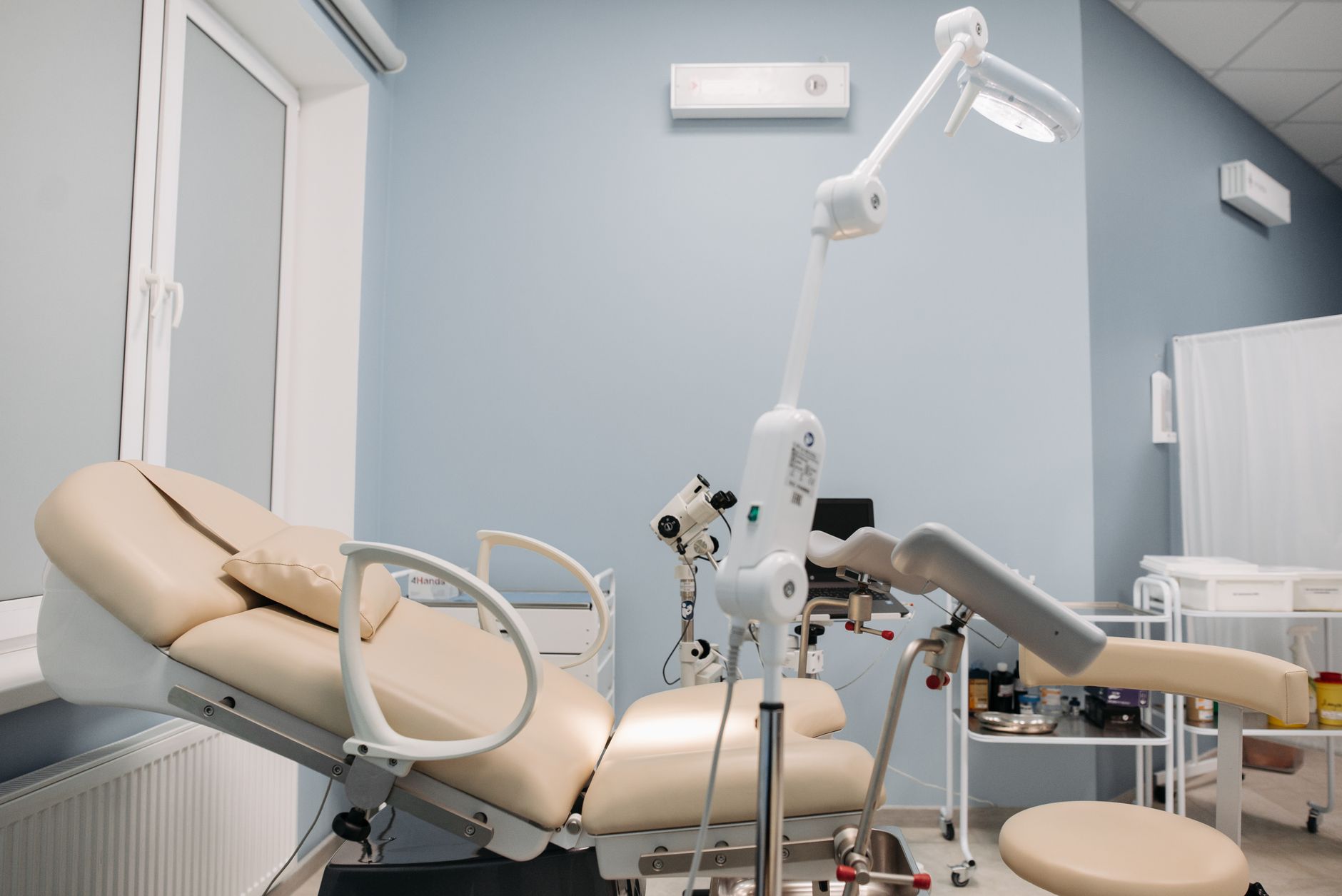
Consultation fees with a general practitioner in private clinics range from $15 to $30, while specialist consultations can cost between $30 and $100. Hospital stays and surgical procedures are also more affordable. For instance, a knee replacement surgery in a private hospital may cost approximately $10,000, a fraction of the price in the U.S. However, these costs can vary depending on the hospital and the complexity of the procedure.
Expats should consider purchasing international health insurance to cover these expenses, as it provides peace of mind and access to a broader range of services. Insurance premiums can range from $1,200 to $3,600 annually, depending on age, coverage, and pre-existing conditions. It's important to thoroughly review policy details to ensure it meets your healthcare needs.
Access and Quality of Healthcare Facilities
Malaysia is renowned for its high-quality healthcare services, particularly in urban areas such as Kuala Lumpur and Penang. The country boasts a number of internationally accredited hospitals with state-of-the-art facilities and well-trained medical professionals, many of whom have received education and training overseas. English is widely spoken among healthcare providers, making communication relatively easy for expats.
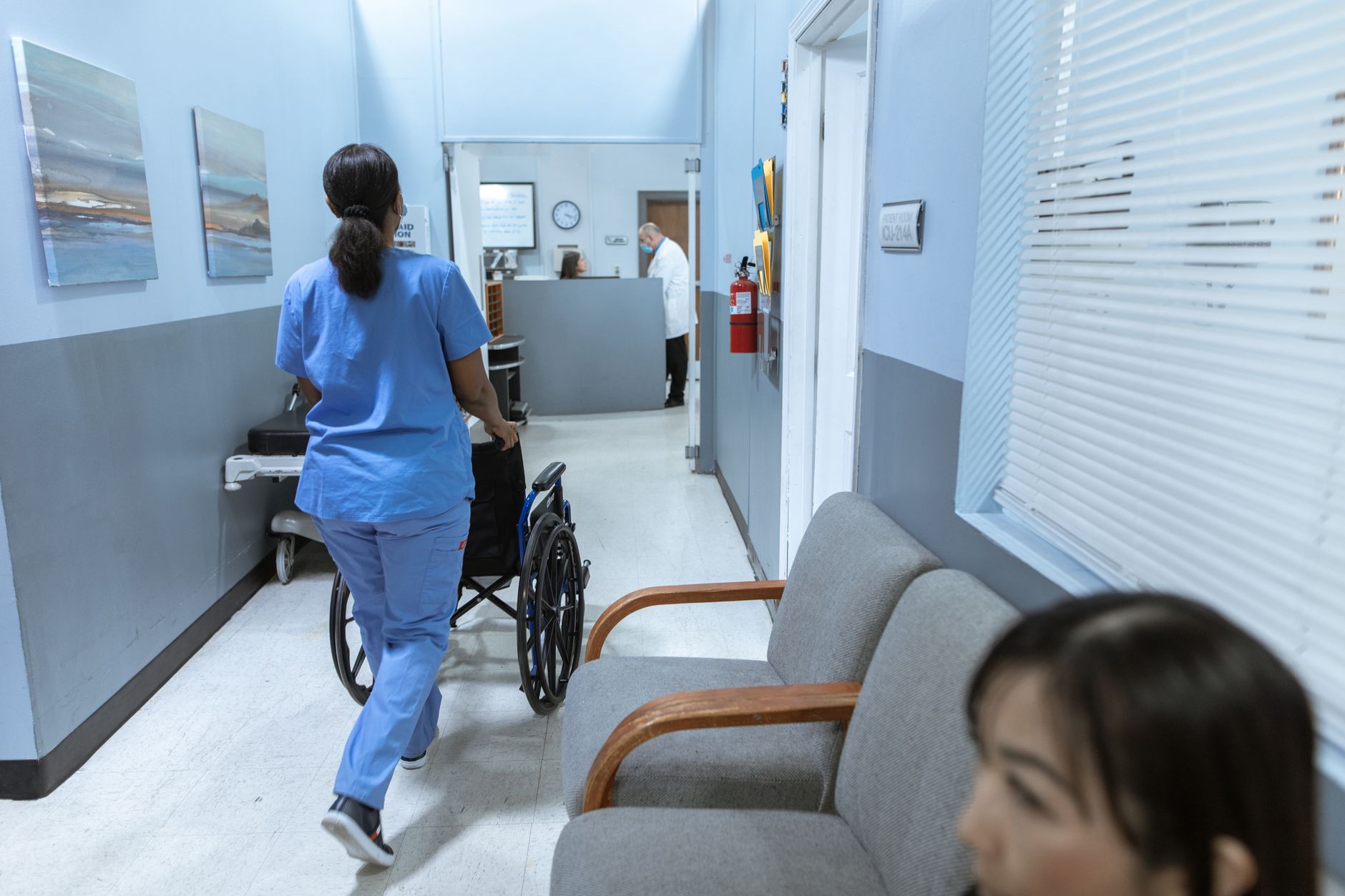
However, access can be more challenging in rural areas, where facilities may not be as advanced or readily available. Retirees who prefer a quieter lifestyle away from bustling cities should consider the potential tradeoffs in healthcare accessibility. In such cases, proximity to a city or a reliable transportation option becomes crucial for timely access to medical care.
Preventive healthcare services, such as regular check-ups and vaccinations, are readily available and encourage a proactive approach to health management. Additionally, Malaysia's medical tourism industry offers a range of wellness and alternative medicine options, which may appeal to retirees interested in holistic health practices.
Daily Lifestyle and Healthcare Integration
The daily lifestyle in Malaysia is generally relaxed, with plenty of opportunities for social engagement and outdoor activities. The country's warm climate allows for year-round enjoyment of parks, beaches, and recreational facilities, which can contribute positively to overall well-being. Many expats find that integrating healthcare into their lifestyle is relatively seamless, with numerous fitness centers, yoga studios, and wellness retreats available.
Transportation infrastructure in Malaysia is well-developed, particularly in urban areas, making it convenient to access healthcare facilities. Public transportation, such as buses and trains, is affordable and reliable, though it may not reach more remote locations. For those retiring in suburban or rural areas, owning a car might be necessary to ensure easy access to healthcare services.
Social life for expats in Malaysia is vibrant, with numerous clubs, societies, and events catering to international communities. This social network can be invaluable for sharing experiences and recommendations regarding healthcare providers and services. However, it's important for retirees to verify information and make informed decisions based on personal needs.
While Malaysia offers a compelling blend of affordability, quality, and lifestyle, retirees should carefully evaluate their healthcare requirements and preferences. Understanding the tradeoffs involved in choosing between urban convenience and rural tranquility is key to making an informed decision about retiring in Malaysia.


