Logistics for Setting Up Utilities and Services in a Foreign Country
When you think about moving to a foreign country, it's easy to picture leisurely mornings and new adventures. But before you can fully embrace this new lifestyle, you'll need to navigate the practicalities of setting up utilities and services. This process can often feel like a puzzle, with each country offering its own unique challenges and quirks.
What Daily Life Actually Looks Like
Imagine starting your Tuesday in your new home abroad. The morning might begin with a cup of local coffee, perhaps stronger than what you're used to back in the States. As you sip your coffee, you might notice the pace of life around you is slower, with neighbors greeting each other warmly as they begin their day. You might find this slower rhythm refreshing, giving you the time to really savor each moment.
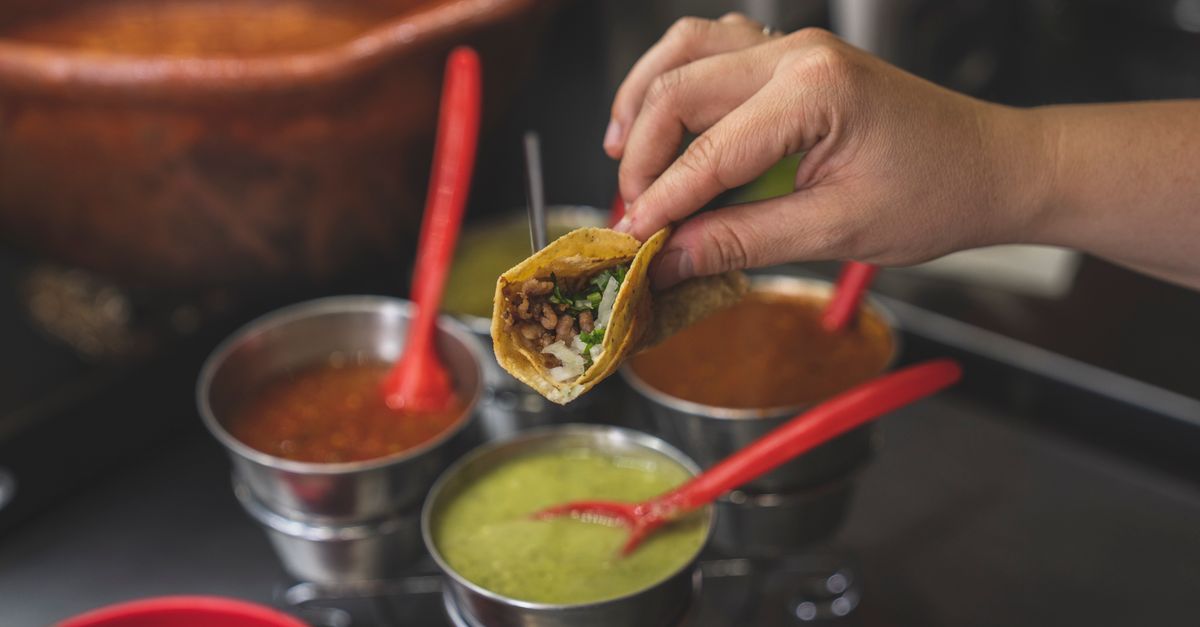
As you head out to run errands, you'll interact with local vendors, practicing the language and learning the nuances of local customs. Picking up fresh produce at a nearby market could become a cherished routine, offering a chance to connect with your community and sample the flavors of your new home. The act of shopping can be both a necessity and a form of cultural immersion.
Afternoons might involve dealing with the practicalities of expat life, such as visiting a utility company to sort out a billing issue or meeting a handyman to fix a minor problem in your apartment. These tasks might take a bit longer than expected, as communication barriers and bureaucratic processes can slow things down. Patience becomes an essential part of your toolkit, as does a flexible attitude towards time.
What Most Americans Get Wrong About This Place
One common misconception is that setting up utilities and services abroad is a simple, one-time task. In reality, it can involve multiple visits to government offices, numerous phone calls, and a fair amount of paperwork. It’s not uncommon to find that processes which are straightforward in the U.S. can be more convoluted overseas, requiring persistence and careful attention to detail.
Language barriers can also be a significant hurdle. Many Americans assume that English is widely spoken, but this isn't always the case. Learning key phrases in the local language can make a big difference in how smoothly you can navigate setting up your utilities and services. It’s these small efforts that can help bridge the gap, making interactions easier and more pleasant.
Another assumption is that the cost of living will automatically be lower. While it's true that many countries offer a more affordable lifestyle, unexpected expenses can crop up during the transition period. For instance, you might need to pay for translation services or hire a local consultant to help you with the paperwork. These costs can add up, so it's important to budget for them when planning your move (verify before deciding).
Is This Place Right for You?
Deciding if this foreign land is the right fit for you involves some soul-searching. If you thrive on routine and predictability, the initial chaos of setting up your new life might be overwhelming. However, if you see challenges as opportunities and enjoy learning new things, you may find the process rewarding and enriching.

Think about your social needs and how they will be met in this new environment. If you enjoy meeting new people and are open to forming a community, you might find expat groups and local social clubs to be wonderful resources. However, if you're someone who values independence and solitude, consider whether the local culture supports that lifestyle as well.
Finally, consider your adaptability and resilience. Moving abroad requires a willingness to embrace uncertainty and adapt to new norms. If you can view each challenge as a step towards a more fulfilling life, then this adventure might just be right for you. But if the thought of navigating a foreign bureaucracy leaves you cold, it might be worth reconsidering.
As you reflect on these aspects, ask yourself: How do you truly envision your days unfolding in this new place, and are you ready to embrace the unexpected along the way?