Quick Taste
Kyoto's quiet kitchen offers a serene dining experience focused on slow, healthy living with dishes like yudofu, a simple yet elegant tofu hot pot. While Kyoto excels in traditional flavors and serene settings, Tokyo might be better for newer versions and convenience. For first-time visitors, Kyoto offers a more genuine taste of Japan's food heritage, with lighter options and dietary accommodations readily available.

Visitors to Kyoto will encounter a variety of dishes that embody the principles of slow living. Kaiseki, a multi-course Japanese dinner, is a notable experience for its meticulous attention to detail and harmony of flavors. The dishes are typically served at room temperature, enhancing the natural taste of the ingredients. Accompaniments such as pickled vegetables, miso soup, and rice are common, providing a well-rounded meal. Key variations include vegetarian options, often found in Buddhist temple cuisine, which highlight tofu and seasonal vegetables. For first-time visitors, Kyoto's culinary offerings provide a gentle introduction to Japanese flavors, with options suitable for dietary restrictions and preferences.
The Story Behind the Dish
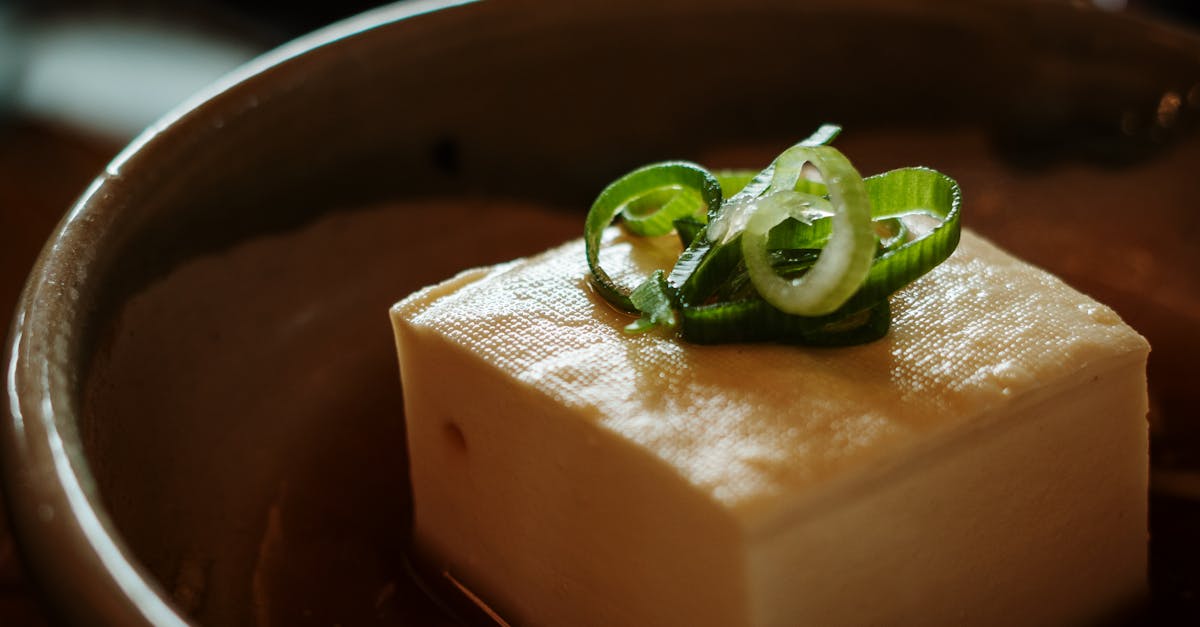
Yudofu, a hallmark of Kyoto's food scene, is a dish deeply rooted in the region's Zen Buddhist traditions. Originating from the temples of Kyoto, yudofu reflects the principles of simplicity and purity. Made primarily from tofu, water, and a subtle broth of kombu (kelp), this dish embodies the essence of Japanese minimalism. Traditionally, it was consumed by monks who adhered to a vegetarian diet, emphasizing the use of local, seasonal ingredients. Today, yudofu remains a symbol of Kyoto's dedication to preserving its food heritage, offering a taste of tranquility and healthfulness.
Kyoto's food traditions are deeply rooted in its historical and cultural context. As the ancient capital of Japan, Kyoto developed a unique food culture that reflects the city's refined aesthetic and reverence for nature. The concept of "shun," or seasonality, is central to Kyoto's cuisine, emphasizing the use of ingredients at their peak freshness. This approach not only enhances the flavor of dishes but also aligns with the principles of sustainable and healthy living.
How Locals Eat It
Locals typically enjoy yudofu during the colder months, as it provides warmth and comfort. It is served in a communal pot at the center of the table, allowing diners to scoop the tofu into individual bowls. Accompaniments often include a variety of dipping sauces such as soy sauce, ponzu, or sesame sauce, and sides like pickled vegetables or rice. Yudofu is usually enjoyed in a relaxed, family-style setting, whether at home or in a traditional ryokan (inn) or temple restaurant. It pairs well with green tea or sake, enhancing the overall dining experience.
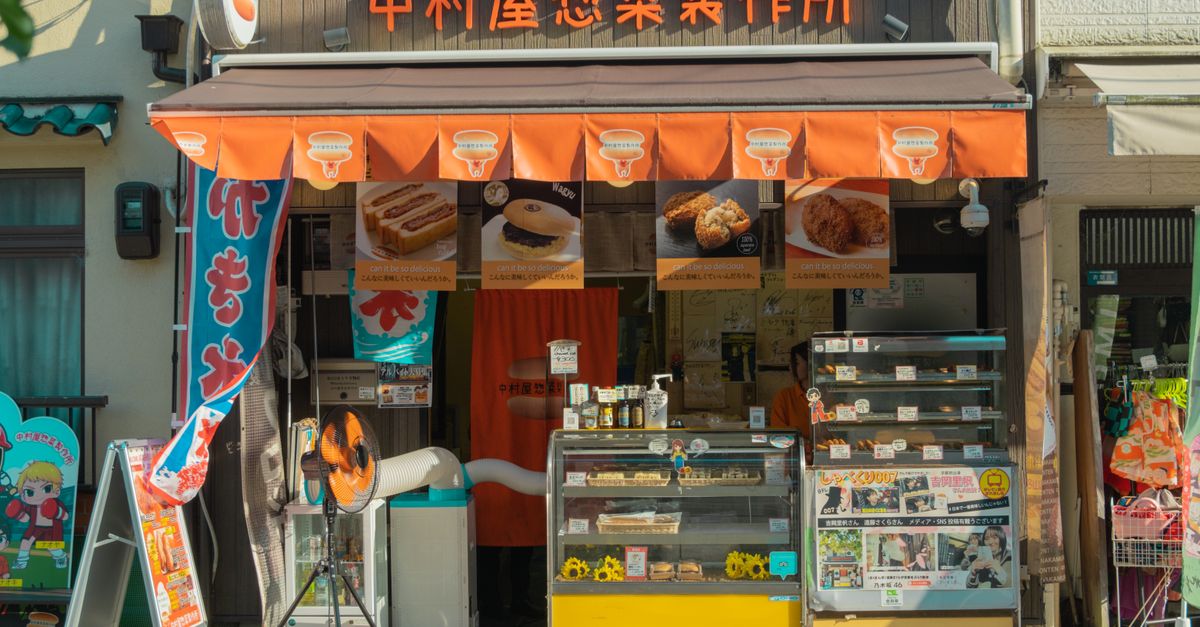
In Kyoto, meals are often a communal and meditative experience, with an emphasis on enjoying each bite. Locals typically enjoy their meals in quiet, intimate settings, whether at home, in a small family-run restaurant, or within the serene confines of a temple. Meals are usually accompanied by green tea, which not only complements the flavors of the food but also aids digestion.
Where to Find It
Visitors to Kyoto can find yudofu in several traditional settings, including temple restaurants like those in the Arashiyama district, known for its scenic bamboo groves and historical sites. Additionally, the Gion district, famous for its geisha culture, offers numerous teahouses and ryokans where yudofu is a staple on the menu. For a more casual experience, local markets and food stalls may offer variations of the dish, allowing travelers to savor its simplicity amidst the popular hustle of Kyoto's food landscape.

Kyoto's culinary delights can be found throughout the city, from traditional tea houses to lively markets. Nishiki Market, often referred to as "Kyoto's Kitchen," is a must-visit for those looking to sample a variety of local delicacies. Here, visitors can find everything from fresh produce and pickled vegetables to artisanal sweets and snacks. For a more formal dining experience, the Gion district offers a range of kaiseki restaurants, where chefs craft exquisite multi-course meals that highlight seasonal ingredients.
City vs. Countryside Flavor
Kyoto's rendition of yudofu is steeped in tradition, offering a more traditional and serene experience compared to urban centers like Tokyo. In Kyoto, the focus is on maintaining the purity and simplicity of the dish, with an emphasis on high-quality, locally sourced ingredients. The countryside surrounding Kyoto may offer variations with added vegetables or seasonal ingredients, reflecting the region's agricultural bounty. While Tokyo might provide newer takes and a more cosmopolitan dining atmosphere, Kyoto remains the best choice for those seeking genuine traditional flavors and a peaceful food journey.
In contrast, the countryside around Kyoto offers a more rustic dining experience. Here, meals are heartier and portions larger, reflecting the agricultural roots of the region. Dishes often feature locally grown vegetables and meats, prepared in a straightforward manner that highlights the natural flavors of the ingredients. The countryside is ideal for those seeking a more robust and filling meal, with an emphasis on farm-to-table freshness and simplicity.
Cost, Portions, and Ordering Tips
Yudofu in Kyoto is typically priced between 1,000 to 3,000 yen, depending on the setting and accompaniments. Portions are generally generous, intended for sharing among two to four people. When ordering, it's helpful to inquire about the types of dipping sauces available and any seasonal variations. Cash is commonly accepted, though many establishments in Kyoto now accommodate card payments. Tourist areas may have slightly higher prices, so exploring less frequented neighborhoods can offer better value and a more local experience.
Dining in Kyoto can range from affordable to luxurious, depending on the setting and menu. A meal at a casual eatery or market stall might cost between 1,000 and 2,000 yen, while a kaiseki dinner can range from 5,000 to 15,000 yen or more. Portion sizes tend to be modest, particularly in the city, where the focus is on quality and presentation rather than quantity.
What to Know Before You Try It
Yudofu is a mild dish, with its flavor profile relying heavily on the quality of tofu and the subtlety of the kombu broth. It's an excellent option for those with dietary restrictions, as it is naturally gluten-free and vegetarian. However, individuals with soy allergies should avoid it. The dish is typically low in salt and devoid of heavy spices, making it suitable for those seeking a lighter, healthier meal. As with any market or street food, ensure the establishment maintains good hygiene practices and that the tofu is fresh.
Before diving into Kyoto's culinary offerings, it's important to understand the local dining etiquette. Meals are typically enjoyed in a calm and respectful manner, with an emphasis on appreciating the flavors and presentation of the food. It's customary to say "itadakimasu" before eating, a phrase that expresses gratitude for the meal.
Common Mistakes Visitors Make
One common mistake visitors make is underestimating the simplicity of yudofu, expecting bold flavors rather than appreciating its subtlety. It's important to approach the dish with an understanding of its minimalist nature. Additionally, some travelers may overlook the cultural significance of the communal dining experience, which is integral to enjoying yudofu. Finally, visitors might miss out on the full experience by not exploring the variety of dipping sauces and accompaniments available.
Another mistake is overlooking the importance of seasonality. Kyoto's cuisine is deeply rooted in the use of fresh, seasonal ingredients, and many dishes are designed to highlight these flavors. By embracing the seasonal nature of the menu, visitors can gain a deeper understanding of Kyoto's food traditions and enjoy a more traditional dining experience.
Frequently Asked Questions
Is yudofu better in Kyoto or Tokyo?
Yudofu is best experienced in Kyoto, where traditional preparation methods and serene settings enhance its traditionality.
What does yudofu taste like?
Yudofu has a delicate, subtle flavor with a smooth texture, complemented by the umami of kombu broth and various dipping sauces.
How much does yudofu usually cost?
In Kyoto, yudofu typically costs between 1,000 to 3,000 yen, depending on the venue and additional sides.
What should I order with yudofu?
Pair yudofu with pickled vegetables, rice, and a selection of dipping sauces for a complete meal.
Related Golden Horizons Guides
- Best Countries to Retire Abroad on a Budget
- Healthcare Abroad for American Retirees
- Retiring Abroad Checklist for Americans
- Visa Rules for Americans Retiring Abroad
About Golden Horizons
Golden Horizons is the retirement abroad magazine for Americans who aren’t done yet.
Final Bite
Kyoto's quiet kitchen, epitomized by dishes like yudofu, offers a serene escape into Japan's food heritage. It's a perfect choice for those who appreciate subtlety and tradition in their meals. Before diving in, remember to savor the communal experience and explore the variety of flavors that accompany this simple yet profound dish.