Quick Taste
Pasta in Italy is a staple with a multitude of shapes and flavors, and Rome is better for traditional carbonara while Naples excels in seafood-infused spaghetti, and Puglia offers rustic orecchiette with broccoli rabe. Each region brings its own flair to pasta dishes, making them distinct yet equally captivating. Rome’s carbonara is creamy and savory, Naples’ spaghetti alle vongole is fresh and briny, and Puglia’s orecchiette is earthy and hearty.
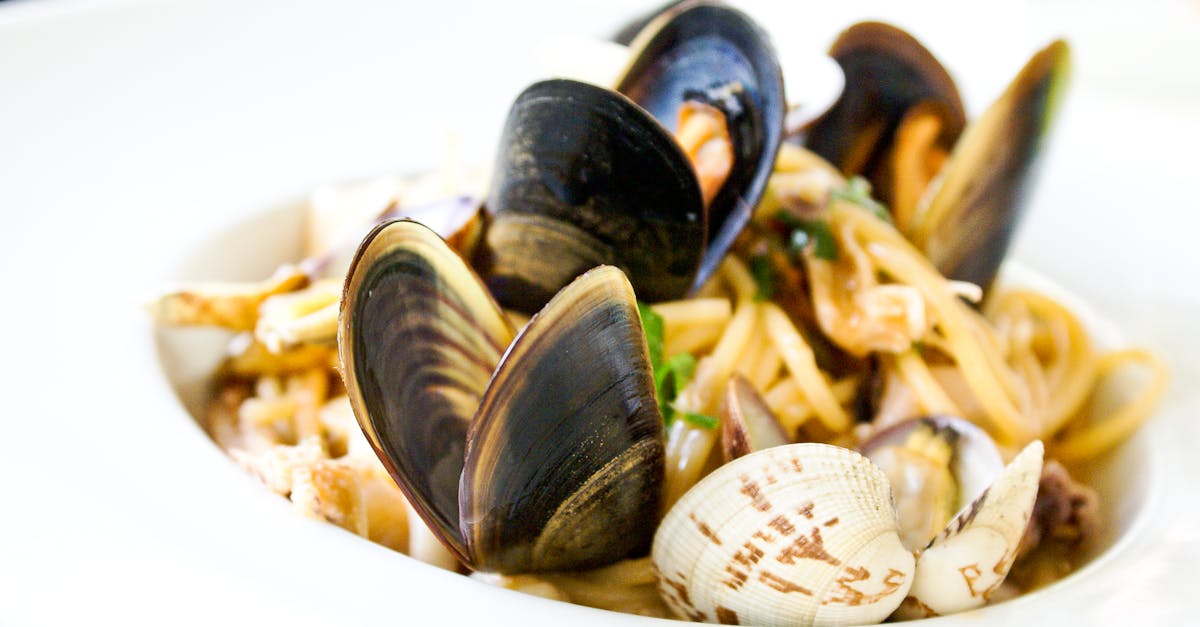
For visitors, pasta is more than just a meal; it's an experience that embodies the essence of Italian culture. In Rome, expect to encounter silky spaghetti carbonara with a creamy sauce made from eggs, cheese, pancetta, and pepper. Naples offers a seafood twist with spaghetti alle vongole, featuring clams and a hint of garlic. Meanwhile, Puglia’s orecchiette is typically served with a robust sauce of broccoli rabe, anchovies, and garlic. Whether you're a first-time visitor or a seasoned traveler, each region offers something distinct, from the flavors of Rome to the fresh seafood of Naples and the rustic simplicity of Puglia.
The Story Behind the Dish
The history of pasta in Italy is as varied as its sauces. Rome’s carbonara is believed to have originated in the mid-20th century, with its roots tied to the shepherds of the Apennine hills. It was a simple dish, made with easily transportable ingredients like eggs and cured pork. Over time, it evolved into the creamy delight that is now a hallmark of Roman cuisine.
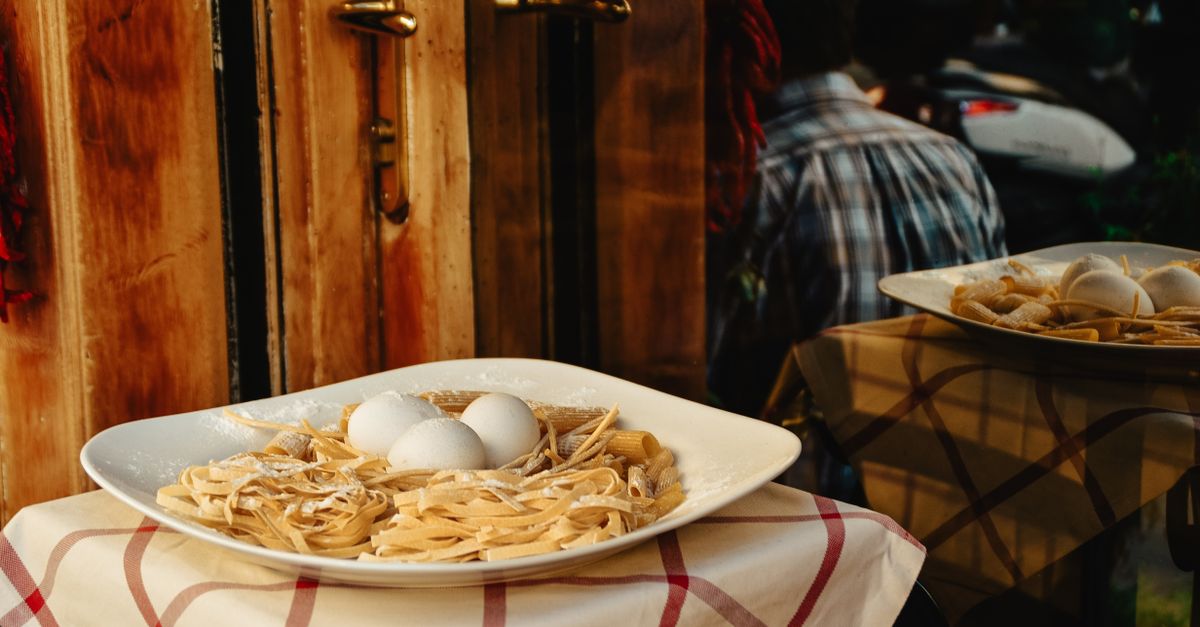
Naples, on the other hand, has a long-standing relationship with the sea, which is reflected in its pasta dishes. Spaghetti alle vongole, or spaghetti with clams, is a testament to this connection. The dish is said to have been created by fishermen who combined their fresh catch with pasta to create a satisfying meal. Puglia’s orecchiette, meaning "little ears," has its origins in the region’s agricultural roots. Traditionally made by hand, this pasta was crafted to hold the hearty sauces made from local produce, such as broccoli rabe, which thrives in Puglia’s fertile soil.
How Locals Eat It
In Rome, locals prefer their carbonara with a generous dusting of Pecorino Romano cheese, which adds a sharp and salty edge to the creamy sauce. It is often enjoyed as a main course, accompanied by a glass of white wine to balance the richness of the dish. Romans take pride in using the freshest eggs and high-quality pancetta to achieve the perfect texture and flavor.
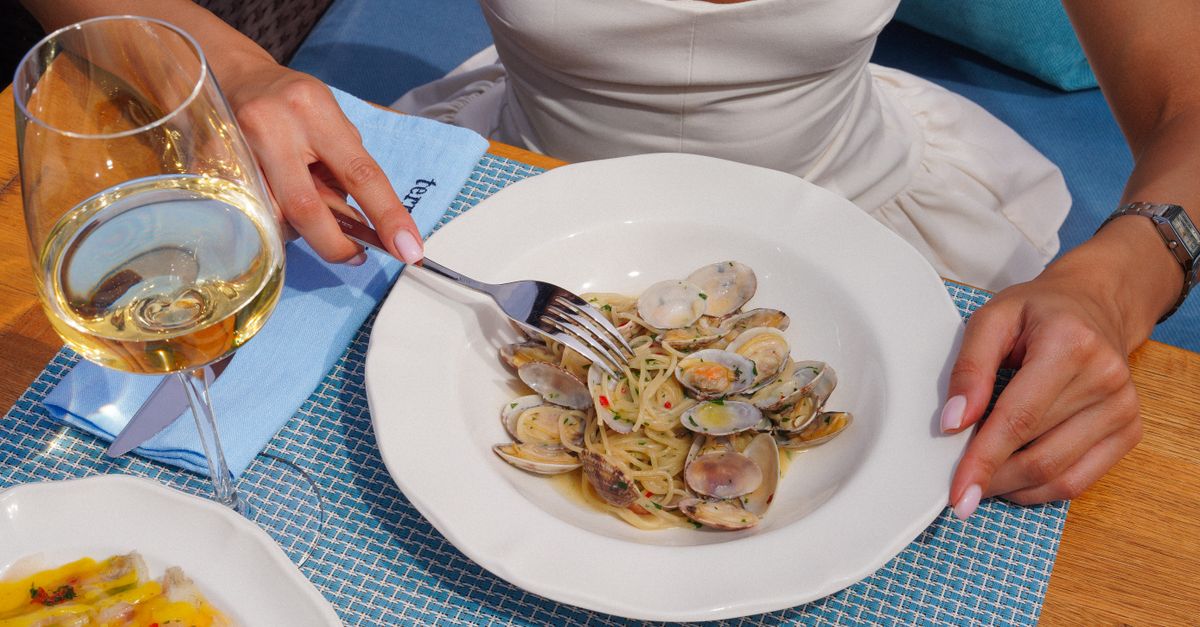
Naples’ spaghetti alle vongole is typically enjoyed al fresco, with the sound of the sea in the background. The dish is prepared with either a bianco (white) or rosso (red) sauce, depending on whether tomatoes are added. Neapolitans often pair this dish with a crisp white wine, enhancing the delicate flavors of the clams.
In Puglia, orecchiette is a staple of home cooking. It is often prepared with fresh, locally sourced broccoli rabe, anchovies, and a hint of chili for a bit of heat. Pugliese families gather around the table to enjoy this dish, often accompanied by a robust red wine that complements the earthy flavors.
Where to Find It
In Rome, the Trastevere district is a haven for traditional Roman cuisine, with many trattorias offering traditional carbonara. Look for places that prioritize quality ingredients and traditional preparation methods, ensuring a genuine taste of the city.
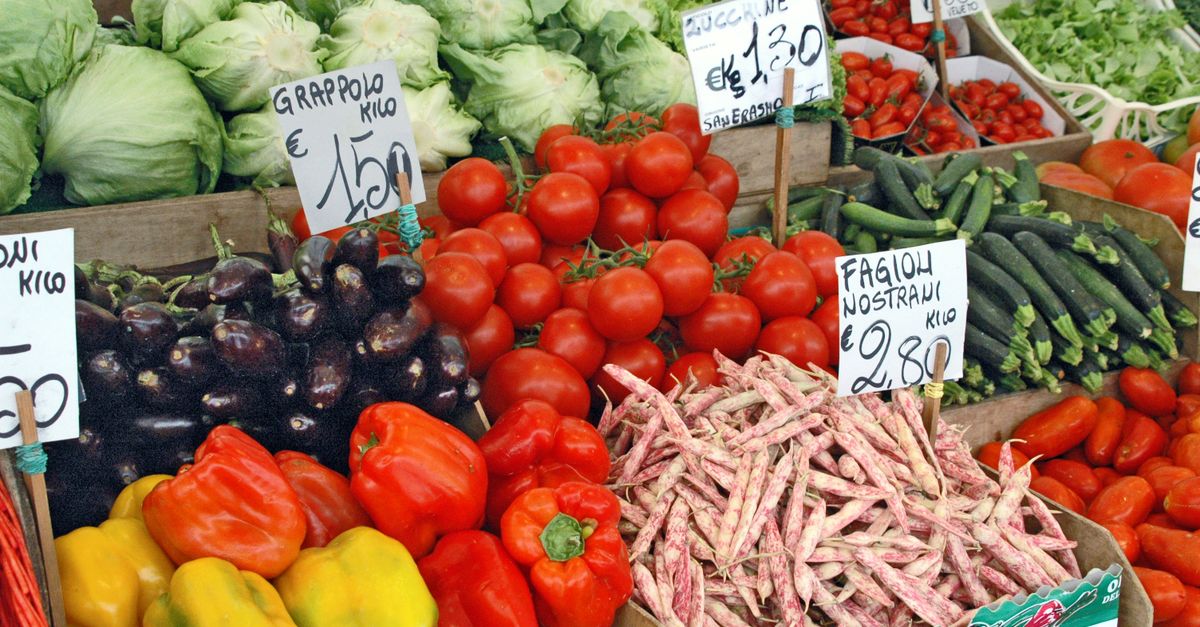
Naples’ historic center, particularly the area around Via dei Tribunali, is renowned for its seafood pasta dishes. Here, you can find numerous restaurants that serve spaghetti alle vongole, often with a view of the lively streets or the serene Gulf of Naples.
In Puglia, the city of Bari is a great starting point for exploring the region’s pasta offerings. The old town, with its narrow streets and popular markets, is home to many family-run eateries where you can savor orecchiette made with fresh, local ingredients.
City vs. Countryside Flavor
The flavors of pasta dishes can vary significantly between the lively cities and the tranquil countryside of Italy. In Rome, the urban setting lends itself to a more refined version of carbonara, with chefs often experimenting with different types of cheese and pancetta to create a sophisticated dish. The city’s fast-paced lifestyle is reflected in the quick yet meticulous preparation of this pasta.
In contrast, the countryside around Rome offers a more rustic take on carbonara. Here, you’ll find dishes that stick closely to traditional recipes, using ingredients sourced directly from local farms. The emphasis is on simplicity, with a focus on the natural flavors of the ingredients.
Naples’ city center is a hub for seafood enthusiasts, with its proximity to the sea ensuring a fresh supply of clams for spaghetti alle vongole. The urban environment adds a touch of modernity to the dish, with chefs often incorporating contemporary twists. In the countryside, however, the dish remains true to its roots, with a focus on the freshest seafood and minimal embellishments.
Puglia’s urban areas, such as Bari, offer a slightly more polished version of orecchiette, often served in chic restaurants that cater to tourists and locals alike. The countryside, however, is where the true heart of Pugliese pasta lies. Here, families have been making orecchiette by hand for generations, using time-honored techniques and recipes that have been passed down through the ages.
Cost, Portions, and Ordering Tips
When dining in Rome, expect to pay around €12-€15 for a plate of carbonara at a mid-range trattoria. Portions are typically generous, so it’s advisable to share if you’re planning to try multiple dishes. For the best experience, ask for a recommendation on the wine pairing, as this can greatly enhance the flavors of the dish.
In Naples, spaghetti alle vongole is similarly priced, with most restaurants offering it for €10-€14. It’s a good idea to inquire about the day’s catch, as fresher clams make for a superior dish. If you’re unsure about the sauce, opt for the bianco version for a more traditional taste.
In Puglia, orecchiette is often the most affordable option, with prices ranging from €8-€12. Portions are usually hearty, reflecting the region’s agricultural roots. When ordering, don’t hesitate to ask about the origin of the ingredients, as many establishments pride themselves on using locally sourced produce.
What to Know Before You Try It
Before diving into the pasta trail, it’s important to understand the regional differences and what makes each dish special. In Rome, the key to a great carbonara is the balance between the creamy sauce and the salty pancetta. Look for places that use fresh, high-quality ingredients, as this makes a significant difference in flavor.
In Naples, the quality of the clams is crucial for spaghetti alle vongole. Opt for restaurants that are known for their seafood, and don’t be afraid to ask the staff about the freshness of their ingredients. The addition of tomatoes in the rosso version can alter the taste significantly, so choose according to your preference.
In Puglia, the simplicity of orecchiette is its strength. The dish relies heavily on the quality of the broccoli rabe and the skill of the cook in balancing flavors. Be open to trying variations, as each cook may have their own twist on the traditional recipe.
Common Mistakes Visitors Make
One common mistake visitors make is assuming that all pasta dishes are the same across Italy. Each region has its own specialties, and it’s important to appreciate these differences. For example, ordering carbonara in Naples or orecchiette in Rome might not yield the best experience.
Another mistake is not paying attention to portion sizes. Italian pasta dishes are often more filling than they appear, and over-ordering can lead to waste. It’s better to start with a smaller portion and order more if needed.
Lastly, visitors sometimes overlook the importance of wine pairings. The right wine can elevate a pasta dish, bringing out its best flavors. Don’t hesitate to ask for recommendations from the restaurant staff, as they are usually knowledgeable about the best pairings.
Frequently Asked Questions
What makes Roman carbonara different from other pasta dishes?
Roman carbonara is distinct due to its creamy sauce made from eggs, Pecorino Romano cheese, pancetta, and pepper. Unlike other pasta dishes, it does not contain cream, relying instead on the emulsification of the egg and cheese to create a rich, velvety texture.
Can I find vegetarian versions of these pasta dishes?
Yes, many restaurants offer vegetarian versions of traditional pasta dishes. For carbonara, some places substitute pancetta with mushrooms or zucchini. In Puglia, orecchiette can be served with a simple tomato sauce instead of broccoli rabe.
Are there gluten-free options available in Italy?
Italy has become increasingly accommodating to dietary restrictions, and many restaurants now offer gluten-free pasta options. It’s advisable to check with the restaurant beforehand and inform them of any dietary needs to ensure a safe dining experience.
How do I know if the seafood in Naples is fresh?
To ensure the seafood is fresh, look for restaurants that are located near the coast or have a good reputation for seafood. Fresh clams should have a clean, briny smell and be tightly closed before cooking. Asking the staff about the day’s catch is also a good practice.
Related Golden Horizons Guides
- Best Countries to Retire Abroad on a Budget
- Healthcare Abroad for American Retirees
- Retiring Abroad Checklist for Americans
- Visa Rules for Americans Retiring Abroad
About Golden Horizons
Golden Horizons is the retirement abroad magazine for Americans who aren’t done yet.
Final Bite
Embarking on the pasta trail through Rome, Naples, and Puglia offers a delicious insight into Italy's culinary soul. From the traditional flavors of Rome to the innovative dishes of Naples and the rustic charm of Puglia, pasta reveals the diverse tastes and cultural significance of Italian cuisine. Whether you're a seasoned traveler or a first-time visitor, this journey promises a satisfying and enriching dining experience.