
Italy - Oceanfront Retirement in Puglia’s Whitewashed Towns — A Local’s Perspective
When considering retirement in Italy, many envision the romantic allure of Tuscany or the bustling streets of Rome. Yet, the region of Puglia, with its whitewashed towns nestled along the Adriatic Sea, offers a compelling alternative that merges coastal tranquility with vibrant local culture. However, the idyllic lifestyle here comes with its own set of tradeoffs that retirees should carefully weigh before making a decision.
Cost of Living and Housing
Retiring in Puglia can be surprisingly affordable, especially when compared to Italy’s more renowned regions. Monthly living expenses can range from $2,000 to $3,500, depending on your lifestyle choices. This budget typically covers rent, utilities, groceries, and modest dining out. Renting a modest apartment in a town like Ostuni or Polignano a Mare might cost between $600 and $1,200 per month. For those looking to purchase property, prices can vary significantly, but a small villa or a traditional trullo often ranges from $150,000 to $300,000.

While the cost of living is attractive, it’s important to consider the variability in property prices and availability. The housing market can be competitive, especially in sought-after coastal areas. Retirees should be prepared for potential fluctuations and may need to act quickly when desirable properties become available.
Lifestyle and Daily Routines
Puglia offers a lifestyle characterized by leisurely walks through historic towns, long lunches at local trattorias, and afternoon siestas. The region is known for its culinary delights, where fresh seafood and locally produced olive oil are staples. The slower pace of life here can be a welcome change for retirees seeking relaxation and a deep connection with local traditions.
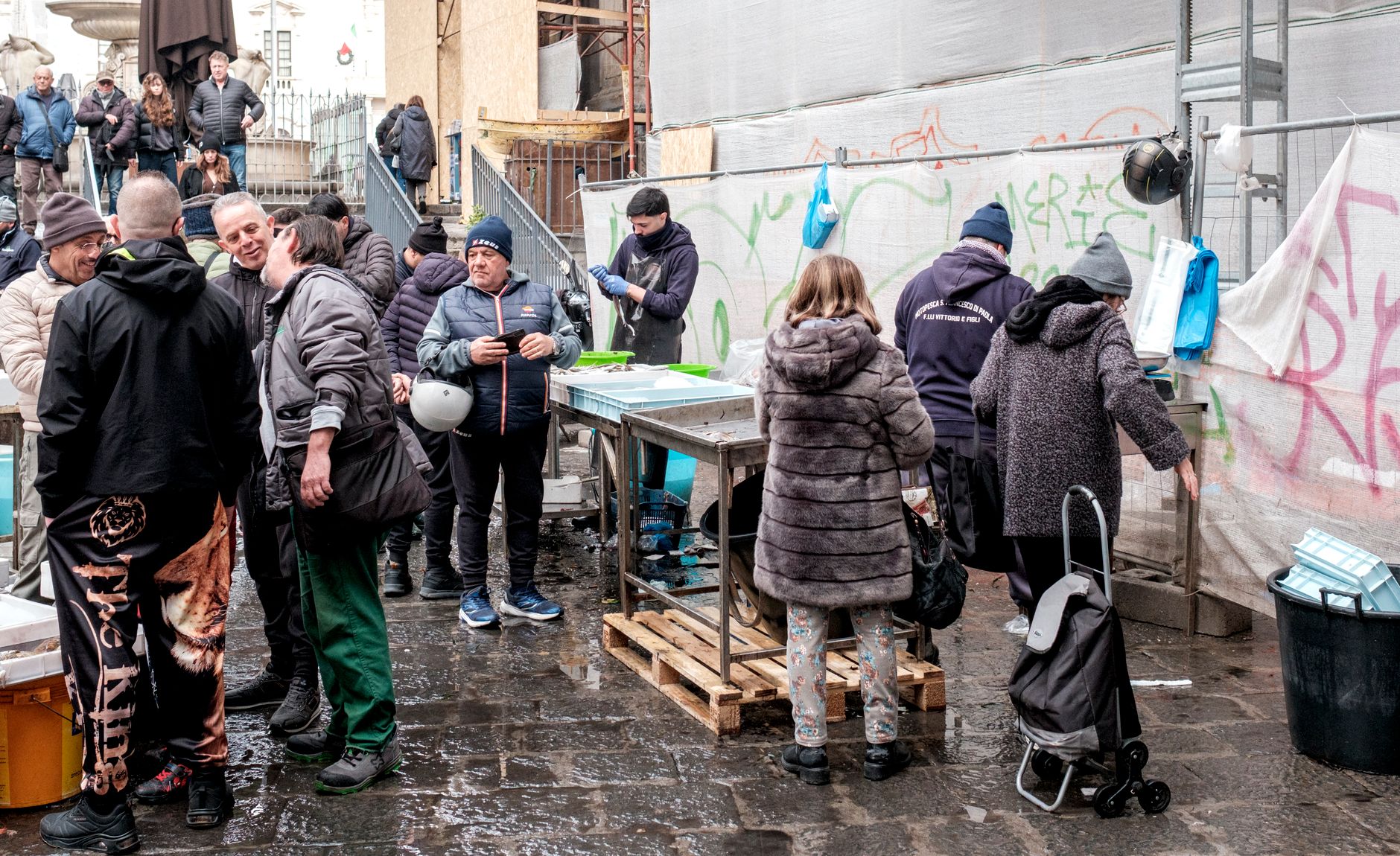
However, this laid-back lifestyle may not suit everyone. The region’s slower pace can also mean slower services and a more relaxed attitude toward punctuality. Additionally, while larger towns provide a variety of amenities, smaller villages may have limited access to certain conveniences, requiring retirees to travel for specific needs or entertainment options.
Healthcare and Accessibility
Italy’s public healthcare system is accessible to retirees, offering quality medical services at a fraction of the cost found in the United States. In Puglia, healthcare services are generally reliable, with hospitals and clinics available in major towns. Retirees can expect to pay a modest annual fee to access the public healthcare system, supplemented by private insurance if desired.
Despite the availability of healthcare services, language barriers can pose challenges. While many healthcare professionals speak some English, being proficient in Italian or having a translator can significantly ease communication. Additionally, while larger towns like Bari offer comprehensive medical facilities, those residing in more remote areas may need to travel for specialized care. Accessibility can also be an issue for those with mobility concerns, as some towns feature steep, cobblestone streets that are less accommodating to wheelchairs or those with limited mobility.


