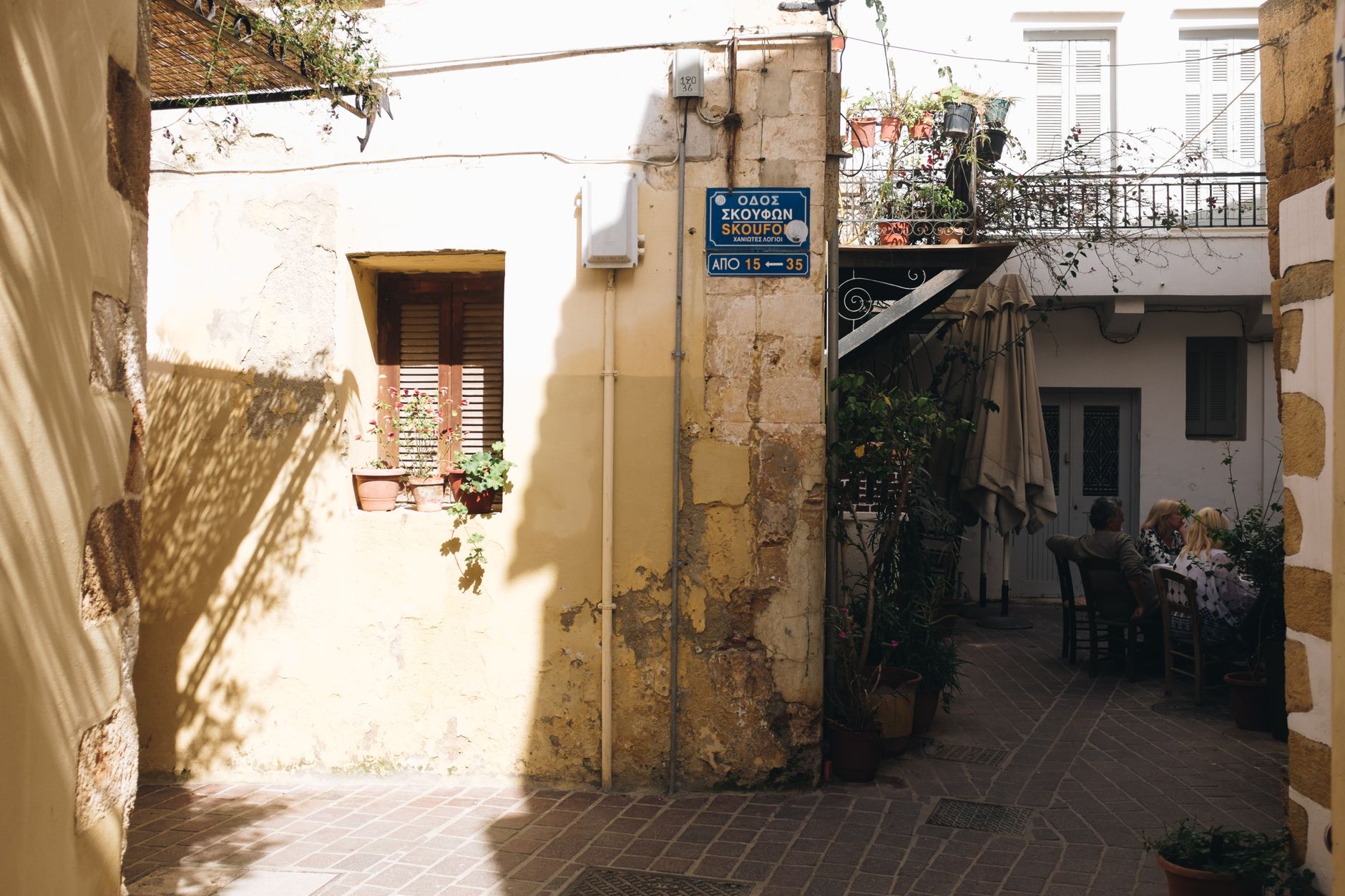
Greece - Oceanfront Living in Crete on a Retirement Budget — A Local’s Perspective
When considering retirement destinations, the picturesque island of Crete in Greece might seem like a distant dream rather than a practical choice. Yet, for retirees seeking oceanfront living on a budget, this Mediterranean gem offers a compelling blend of affordability and lifestyle. However, while the idea of sipping coffee on a sun-drenched terrace overlooking the Aegean Sea is enticing, there are tradeoffs that come with island life. Understanding these nuances is crucial for making an informed decision about retiring in Crete.
Cost of Living and Housing
Crete offers a range of housing options that can fit various budgets, from quaint apartments in bustling towns to serene villas with sea views. Rent for a modest one-bedroom apartment in a smaller town can start around $400 per month, while more spacious accommodations in popular areas like Chania or Heraklion might range from $800 to $1,200. Purchasing a property, while more complex, can also be relatively affordable by European standards, with prices starting at around $100,000 for a small home.

The cost of living in Crete is generally lower than in major American cities. A couple could comfortably live on a budget of $2,000 to $3,000 per month, including housing, utilities, groceries, and dining out. However, those desiring more luxury might find themselves spending closer to $4,000 or $5,000. It's worth noting the potential for fluctuating costs due to Greece’s economic climate, which can affect everything from utilities to consumer goods.
Yet, there are limitations to consider. The island's infrastructure can be less developed compared to the U.S., with occasional power outages and slower internet speeds. Retirees may need to adjust their expectations regarding certain conveniences, especially in more rural areas.
Lifestyle and Daily Routine
Daily life in Crete is often characterized by a slower pace and a strong sense of community. Morning routines might include a leisurely walk to a local café for a fresh pastry and coffee, followed by a visit to the market for locally sourced produce. The island’s natural beauty encourages an active lifestyle, with opportunities for hiking, swimming, and exploring historical sites.

While Crete offers a peaceful and scenic environment, it may lack the diversity of activities and entertainment found in larger cities. Cultural events and nightlife are present but can be limited, particularly outside peak tourist seasons. Retirees who thrive on urban excitement might find the island's pace too tranquil.
Moreover, language barriers can pose a challenge. Although English is widely spoken in tourist areas, learning some Greek can greatly enhance the experience and ease interactions with locals, especially in more remote parts of the island.
Healthcare and Accessibility
Greece's healthcare system is a mix of public and private services, with Crete housing several well-regarded hospitals and clinics. Public healthcare is generally affordable, but the quality can vary, and wait times may be longer than in the U.S. Many retirees opt for private healthcare, which offers more personalized services and shorter wait times. Health insurance costs can vary, with private plans ranging from $100 to $300 per month depending on coverage.
Accessibility can be a concern, particularly for those with mobility issues. While larger towns have decent infrastructure, rural areas may have limited public transportation and fewer facilities for those with disabilities. The island’s hilly terrain and cobblestone streets can also pose challenges.
Travel to and from Crete is straightforward during the tourist season, with regular flights connecting to mainland Greece and other European destinations. However, during off-peak months, flight availability decreases, and ferry schedules can be less frequent. This seasonal fluctuation may impact plans for visiting family or traveling.
In summary, Crete presents an intriguing option for retirees seeking a balance of affordability and Mediterranean lifestyle. However, it's essential to weigh the benefits against the potential limitations of island life, including infrastructure, accessibility, and cultural differences. Those who relish a slower pace and are open to adapting may find Crete to be a rewarding retirement destination.


