Quick Taste
Bread and cheese in Provence offer a quintessential taste of the region, with freshly baked baguettes and a variety of cheeses that range from creamy to tangy. Aix-en-Provence is better for convenience and variety, while the countryside markets provide a more rustic and traditional flavor experience. For first-time visitors, Aix offers easier access and a wider selection, whereas the countryside offers larger portions and a more relaxed atmosphere.
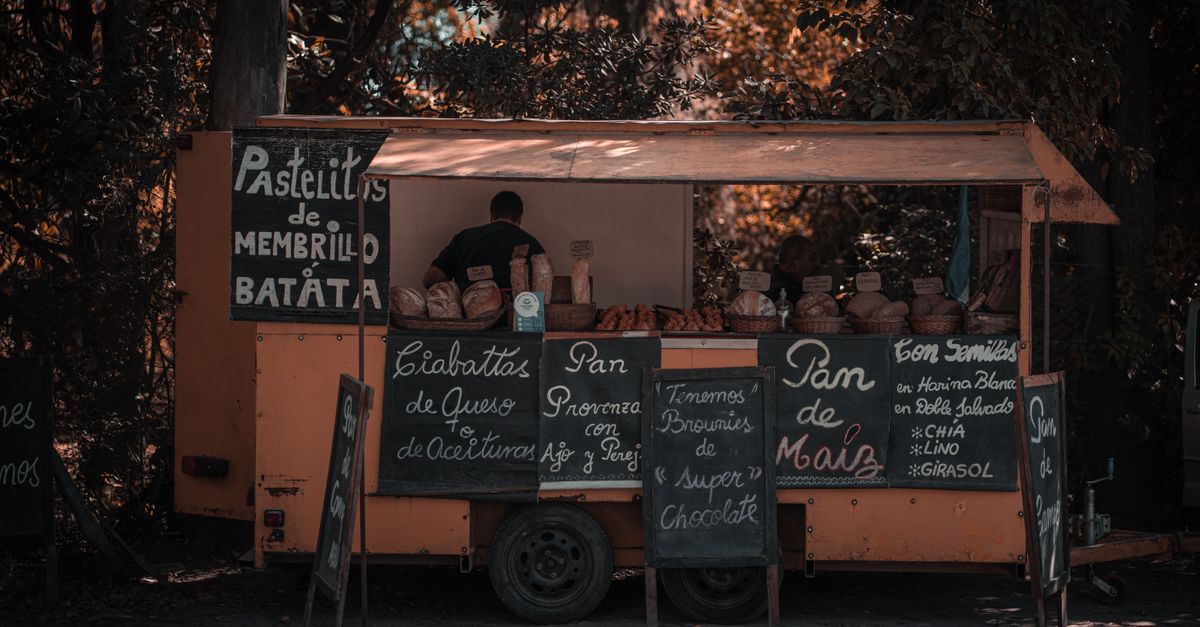
In Provence, bread and cheese are more than just food; they are a cultural experience. Visitors can expect to encounter crusty baguettes with a soft interior, often accompanied by local cheeses such as Banon, a soft cheese wrapped in chestnut leaves, or the tangy Picodon. Market mornings in Provence are lively with activity, where vendors display their fresh produce, and the aroma of freshly baked bread fills the air. Accompaniments might include olives, charcuterie, and a glass of local wine, making for a delightful morning meal.
The Story Behind the Dish
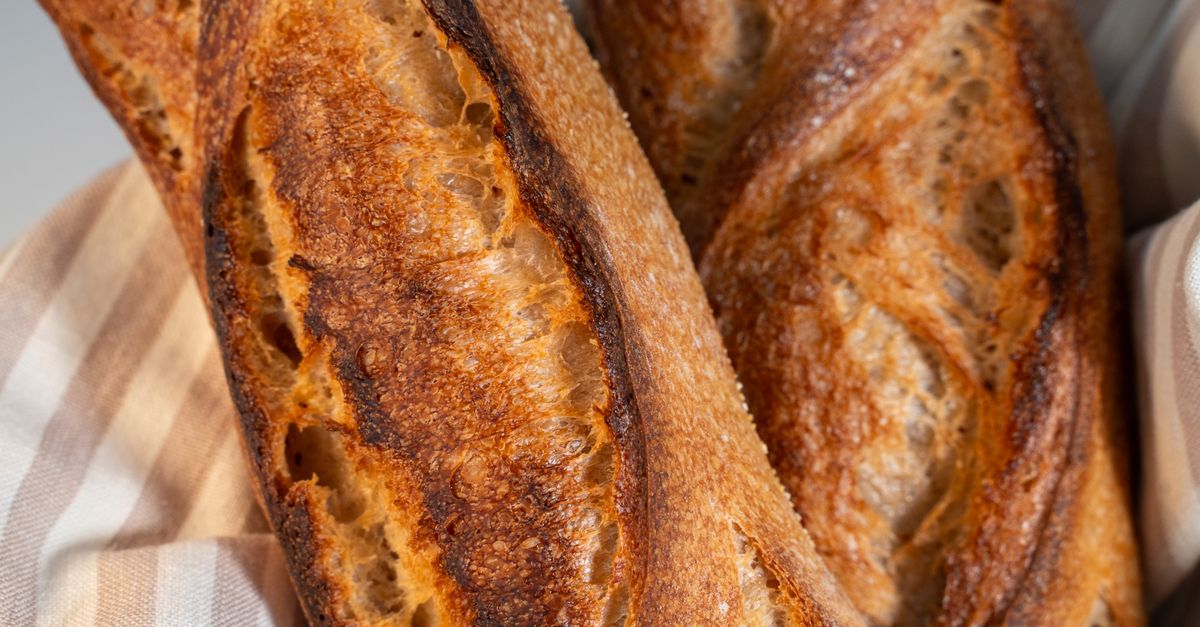
The tradition of bread and cheese in Provence dates back centuries, rooted deeply in the region's agricultural history. Bread has always been a staple in French cuisine, and in Provence, the art of bread-making is celebrated with a focus on quality and tradition. The baguette, with its crispy crust and airy crumb, is a symbol of French culture, and in Provence, it is often enjoyed fresh from the oven.
Cheese-making in Provence is equally storied, with a variety of cheeses that reflect the region's diverse terroir. The Banon cheese, for instance, is made from goat's milk and wrapped in chestnut leaves, a method that dates back to Roman times. This cheese is known for its creamy texture and slightly nutty flavor. The Picodon, another popular choice, is a small, round cheese with a distinctive tang, made from raw goat's milk and aged to perfection. These cheeses are not just food items but a testament to the region's culinary history.
How Locals Eat It
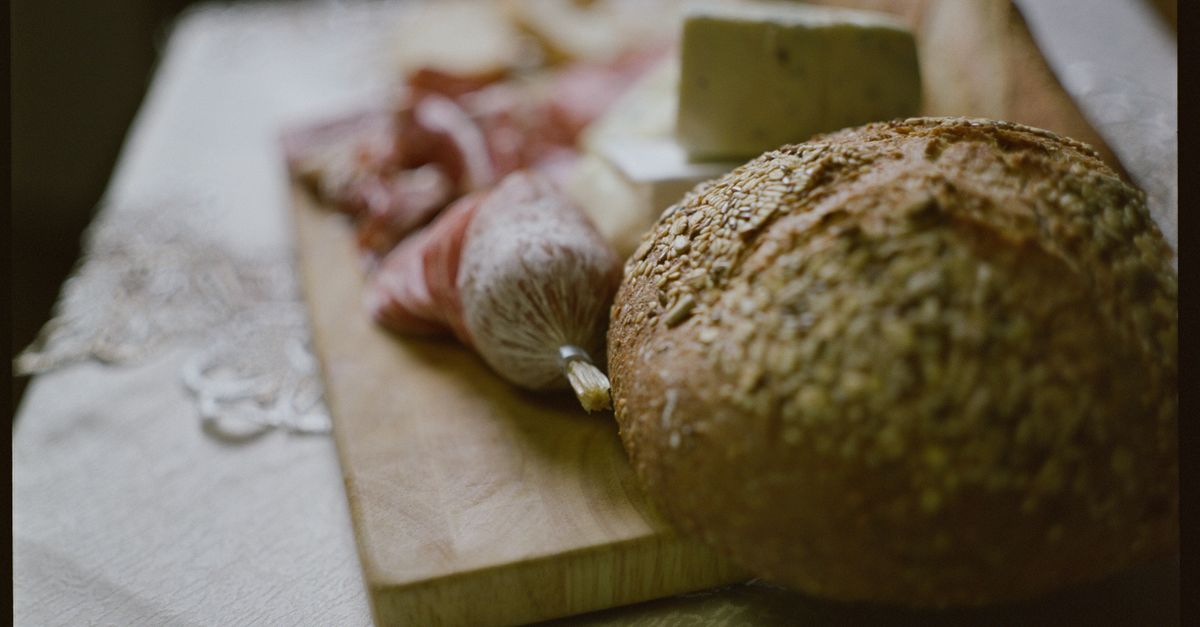
In Provence, bread and cheese are typically enjoyed as part of a leisurely breakfast or a casual lunch. Locals often start their day with a visit to the market, where they pick up a fresh baguette and a selection of cheeses. The bread is usually torn by hand and paired with cheese, olives, and sometimes a slice of cured ham or sausage.
Cheese is often served at room temperature to allow its flavors to fully develop. Locals appreciate the combination of textures and tastes, often accompanied by a glass of rosé or a light red wine from the region. The simplicity of bread and cheese allows the quality of the ingredients to shine, making it a cherished part of daily life in Provence.
Where to Find It
The best place to experience bread and cheese in Provence is at the local markets. Aix-en-Provence hosts a market on Tuesdays, Thursdays, and Saturdays, where vendors offer a wide array of breads and cheeses. The market in Apt is another excellent choice, held every Saturday, where visitors can find artisanal cheeses and freshly baked bread.
For those venturing into the countryside, the village of Gordes offers a market on Tuesdays, set against the backdrop of the Luberon hills. Here, visitors can find traditional Provencal breads and a variety of local cheeses, often sold directly by the producers. Whether in the city or the countryside, these markets provide a taste of Provencal life.
City vs. Countryside Flavor
The experience of enjoying bread and cheese in Provence varies significantly between the city and the countryside. In Aix-en-Provence, the markets are lively and offer a wide range of options, making it easy for visitors to sample different types of bread and cheese. The selection is vast, and the convenience of city markets means that everything is within easy reach.
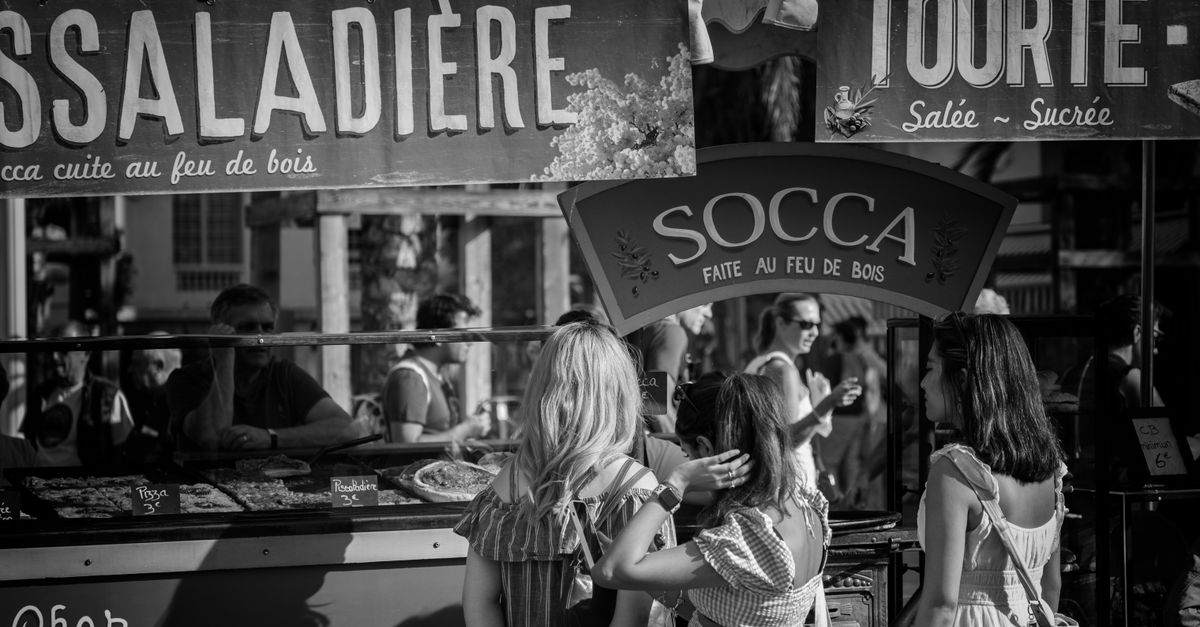
In contrast, the countryside offers a more laid-back and traditional experience. The markets are smaller, but the quality of the produce is exceptional. Here, visitors can find rustic breads baked in wood-fired ovens and cheeses made from the milk of goats that graze on the wild herbs of the region. The flavors are more pronounced, and the experience is more intimate, often involving conversations with the producers themselves.
Cost, Portions, and Ordering Tips
Bread and cheese in Provence are generally affordable, with a fresh baguette costing around €1 to €2 and a small wheel of cheese ranging from €3 to €10, depending on the type and age. Portions are generous, especially in the countryside, where vendors often encourage tasting before purchasing.
When ordering, it's helpful to know a few key phrases in French, such as "Une baguette, s'il vous plaît" (A baguette, please) or "Je voudrais du fromage" (I would like some cheese). Don't hesitate to ask for recommendations or to sample different cheeses before making a decision. Vendors are usually friendly and happy to share their knowledge.
What to Know Before You Try It
Before trying the bread and cheese offerings in Provence, it's important to note that freshness is key. Bread is best enjoyed on the day it's baked, and cheese should be consumed at room temperature for optimal flavor. Be prepared for a variety of textures and flavors, from the soft and creamy Banon to the firm and tangy Picodon.
Consider any dietary restrictions, as some cheeses are made from raw milk, which may not be suitable for everyone. It's also worth noting that markets can get crowded, especially on weekends, so plan to arrive early for the best selection.
Common Mistakes Visitors Make
One common mistake visitors make is not allowing cheese to reach room temperature before eating it. This can significantly affect the taste and texture, so be sure to let it sit out for a while after purchasing. Another mistake is not exploring beyond the popular markets in Aix-en-Provence. While convenient, these markets can be tourist-heavy, and the countryside markets offer a more genuine experience.
Visitors should also be mindful of portion sizes. It's easy to overbuy when faced with a tempting array of breads and cheeses, but remember that these items are best enjoyed fresh. Buying smaller quantities more frequently ensures the best taste and quality.
Frequently Asked Questions
What types of cheese should I try in Provence?
In Provence, you should try Banon, a soft goat cheese wrapped in chestnut leaves, and Picodon, a small, tangy goat cheese. Both offer flavors that reflect the region's terroir. Other notable cheeses include Tomme de Provence and Rigotte de Condrieu.
How can I tell if a baguette is fresh?
A fresh baguette will have a crisp, golden crust and a light, airy crumb inside. It should emit a pleasant aroma and make a slight crackling sound when pressed. Purchasing from a reputable bakery or market vendor ensures freshness.
Are there any cheese-making tours in Provence?
Yes, several farms and fromageries in Provence offer cheese-making tours and tastings. These tours provide insight into traditional methods and allow you to sample a variety of cheeses. It's best to book in advance, especially during peak tourist seasons.
What is the best time to visit Provencal markets?
The best time to visit Provencal markets is in the morning, typically between 8 AM and 1 PM. Arriving early ensures the best selection of fresh produce, bread, and cheese. Weekends are popular, so weekdays might offer a more relaxed experience.
Related Golden Horizons Guides
- Best Countries to Retire Abroad on a Budget
- Healthcare Abroad for American Retirees
- Retiring Abroad Checklist for Americans
- Visa Rules for Americans Retiring Abroad
About Golden Horizons
Golden Horizons is the retirement abroad magazine for Americans who aren’t done yet.
Final Bite
Experiencing bread and cheese in Provence is a sensory delight that captures the essence of the region. Whether you're wandering through the markets of Aix-en-Provence or exploring the countryside villages, the flavors of freshly baked bread and artisanal cheeses are sure to leave a lasting impression. Remember to enjoy each bite, engage with the local vendors, and embrace the relaxed pace of Provencal life. With its food traditions and welcoming atmosphere, Provence offers a taste of France that is both timeless and memorable.