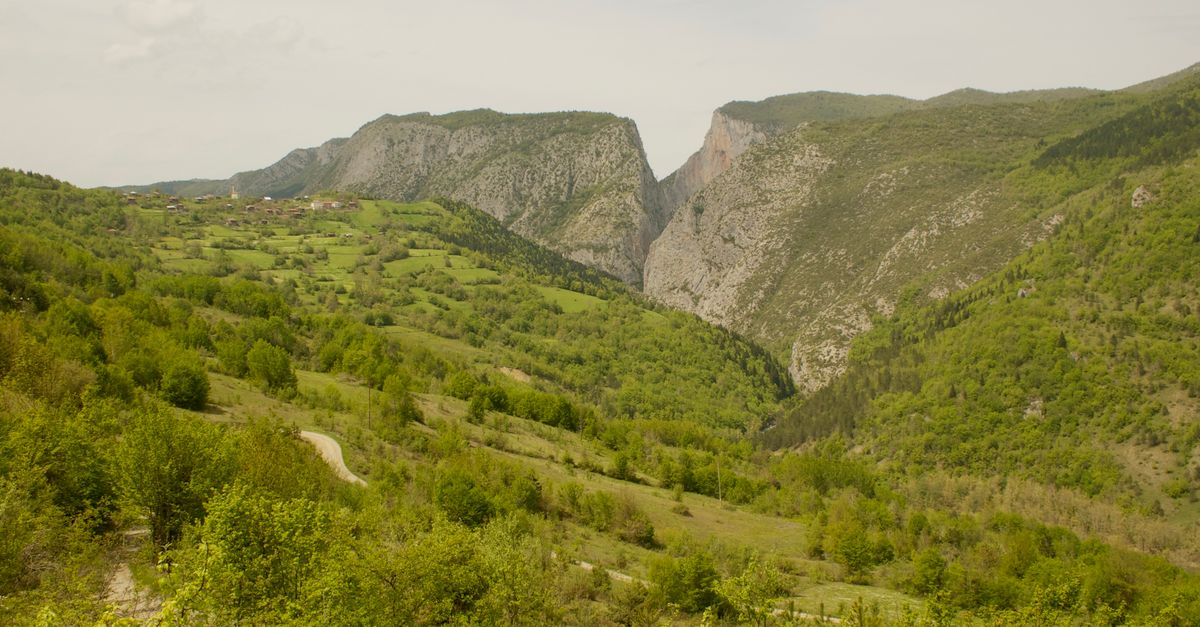
Ecuador - Hidden Andean Villages with Low-Cost Living — A Local's Perspective
In Ecuador's Andean region, the village of Vilcabamba stands out with its reputation for longevity, where the average life expectancy is notably higher than the global average. This village is not just known for its health benefits but also for its affordable cost of living, making it an intriguing option for retirees seeking a peaceful and budget-friendly lifestyle. This article will help you decide if retiring in Ecuador's hidden Andean villages is a realistic and appealing option for you.
Quick Take
- Best for: American retirees who want an affordable, peaceful life in a culturally rich environment.
- Monthly reality: Approximately $1,200–$1,500 for a comfortable lifestyle, including rent, groceries, and utilities.
- Biggest advantage: Low cost of living with access to fresh produce and a laid-back lifestyle.
- Biggest warning: Limited access to advanced healthcare facilities and potential language barriers.
- Before moving: Verify visa, healthcare, tax, housing, and insurance rules with official sources or a qualified professional.
Vilcabamba: A Village for Longevity
Vilcabamba, a small village in southern Ecuador, is often referred to as the "Valley of Longevity." With a population of around 5,000, it offers a tranquil setting with impressive mountain views. Rent for a two-bedroom house can be as low as $300 per month, and local markets provide fresh fruits and vegetables at a fraction of U.S. prices. The village is known for its relaxed pace of life, where stress seems to dissipate in the mountain air.

However, the remoteness of Vilcabamba means that access to advanced healthcare facilities is limited. The nearest hospital is in Loja, about an hour's drive away. While basic medical services are available in the village, those with chronic health conditions might find the distance to more comprehensive care inconvenient. Additionally, while many locals speak English, learning basic Spanish is advisable to fully integrate into the community.
Cotacachi: Artisan Haven with Affordable Living
Cotacachi, located in northern Ecuador, is famous for its leather goods and artisan crafts. The town offers indigenous culture alongside modern amenities. A two-bedroom apartment in Cotacachi can be rented for about $400 per month, and the cost of living is generally low, with local restaurants offering meals for as little as $3.

Healthcare in Cotacachi is more accessible than in Vilcabamba, with several clinics and a hospital in nearby Ibarra, only 30 minutes away. The town is walkable, with most amenities within a short distance, making it convenient for daily errands. However, the town's popularity among expats means that some areas are becoming more touristy, which could affect the traditional lifestyle some retirees seek.
Chugchilán: Remote Beauty and Simple Living
Chugchilán, perched on the Quilotoa Loop, is a hidden treasure for those seeking solitude and natural beauty. The village is accessible by a winding road that offers impressive views of the Andean landscape. Housing is extremely affordable, with rental costs for a small house starting at $200 per month. The village's economy is primarily agricultural, and many residents grow their own food.
The isolation of Chugchilán is both a blessing and a challenge. While it offers a peaceful retreat from the activity level, it also means limited access to services. The nearest healthcare facilities are over an hour away, and the rugged terrain can make travel challenging, especially during the rainy season. This village is best suited for those who value simplicity and are comfortable with a more rustic lifestyle.
Practical Comparison Table
| Decision Area | Practical Detail | Retirement Note | |---|---|---| | Monthly Cost | $1,200–$1,500 | Budget for housing, groceries, and utilities | | Healthcare | Limited access in villages, better in nearby towns | Verify healthcare options before moving | | Housing | Rent from $200–$400 | Check building quality and lease terms | | Transportation | Limited public transport, walkable towns | Consider car rental for remote areas | | Safety | Generally safe, but verify local conditions | Check local crime rates and safety tips |
Healthcare, Visa, Tax, and Safety Notes
Retirees should verify healthcare access in their chosen village, as services can vary significantly. Private insurance is recommended to cover any gaps in public healthcare. Ecuador offers a retirement visa for those with a minimum income of $800 per month, but specific requirements should be confirmed with an official source or immigration professional.
Tax obligations for U.S. citizens living abroad can be complex. Understanding both U.S. and Ecuadorian tax laws is crucial, and consulting a tax advisor is advisable. Safety in these villages is generally good, but staying informed about local conditions and ensuring your residence is secure is wise.
Common Mistakes Retirees Should Avoid
- Underestimating healthcare needs and access.
- Ignoring language barriers; learning basic Spanish is helpful.
- Overlooking transportation challenges in remote areas.
- Failing to understand local customs and integrate into the community.
- Underestimating the impact of altitude on health.
- Not verifying rental agreements and property conditions.
- Assuming all areas have the same cost of living.
Before You Move Checklist
- Verify visa or residency rules specific to Ecuador.
- Confirm healthcare access and private insurance needs.
- Understand U.S. and Ecuadorian tax obligations.
- Check rent and lease agreements thoroughly.
- Assess walkability and transportation options.
- Research safety and local crime rates.
- Consider language barriers and plan to learn basic Spanish.
- Verify emergency services and access in your area.
- Explore local community activities and integration opportunities.
Frequently Asked Questions
What is the cost of living in these Andean villages?
The cost of living in Ecuador's Andean villages is relatively low, with monthly expenses ranging from $1,200 to $1,500, depending on lifestyle choices and housing preferences.
How is healthcare access in these remote villages?
Healthcare access varies; basic services are available, but for advanced care, travel to a nearby town or city may be necessary. It's advisable to have private insurance to cover any gaps.
What are the visa requirements for retiring in Ecuador?
Ecuador offers a retirement visa requiring proof of a minimum monthly income of $800. It's important to verify the latest requirements with an official source or immigration professional.
Related Golden Horizons Guides
- Best Countries to Retire Abroad on a Budget
- Healthcare Abroad for American Retirees
- Retiring Abroad Checklist for Americans
- Visa Rules for Americans Retiring Abroad
About Golden Horizons
Golden Horizons helps Americans age 60+ compare retirement-abroad destinations using practical information about cost of living, healthcare, housing, visas, taxes, safety, walkability, and lifestyle. Our goal is to help readers avoid expensive mistakes before choosing where to live overseas.
Final Verdict
Retiring in Ecuador's Andean villages can be idyllic for those seeking an affordable, serene lifestyle surrounded by nature. However, potential retirees should thoroughly assess healthcare access and be prepared for language differences. Consulting with professionals on tax and visa requirements will ensure a smooth transition.