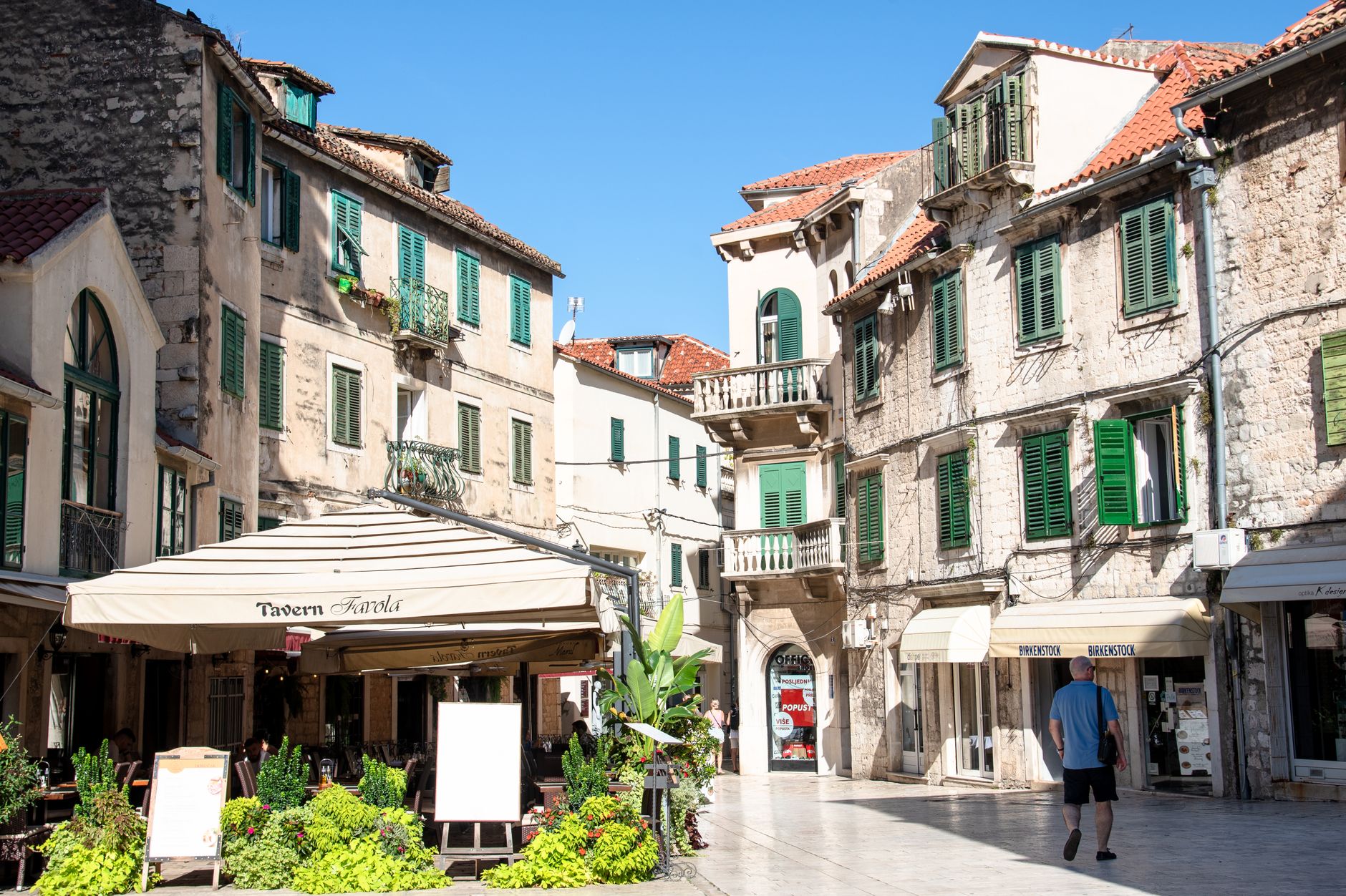
Croatia - Best Cities for Retirees: Split vs Dubrovnik — A Local’s Perspective
When considering retirement abroad, many envision a peaceful life by the sea, surrounded by rich history and vibrant culture. Croatia often emerges as an attractive destination, with its picturesque coastline and Mediterranean climate. However, the reality of retiring in Croatia presents unique tradeoffs, especially when comparing two of its most popular cities: Split and Dubrovnik. While both cities offer appealing lifestyles, they differ significantly in cost, accessibility, and daily living.
Split: A Vibrant Port City with Modern Amenities
Split, Croatia's second-largest city, is a bustling port that offers a blend of modern amenities and ancient history. Retirees may find Split appealing due to its lively atmosphere, diverse cultural offerings, and relatively affordable cost of living. On average, a retiree might budget between $2,000 to $3,500 per month, depending on lifestyle choices and housing preferences.
The city is known for its walkability and public transportation options, making it convenient for those who prefer not to drive. Daily life in Split can be both vibrant and relaxed, with opportunities to enjoy local markets, seaside cafes, and cultural events. The city's infrastructure supports an active lifestyle, with numerous parks and walking trails.
However, Split's popularity as a tourist destination can be a double-edged sword. During the peak tourist season, the city may become crowded, and noise levels can rise significantly. This influx of visitors can also lead to increased prices in some areas. Retirees should weigh the vibrancy of city life against the potential for seasonal disruptions.
Dubrovnik: A Historic Gem with Scenic Beauty
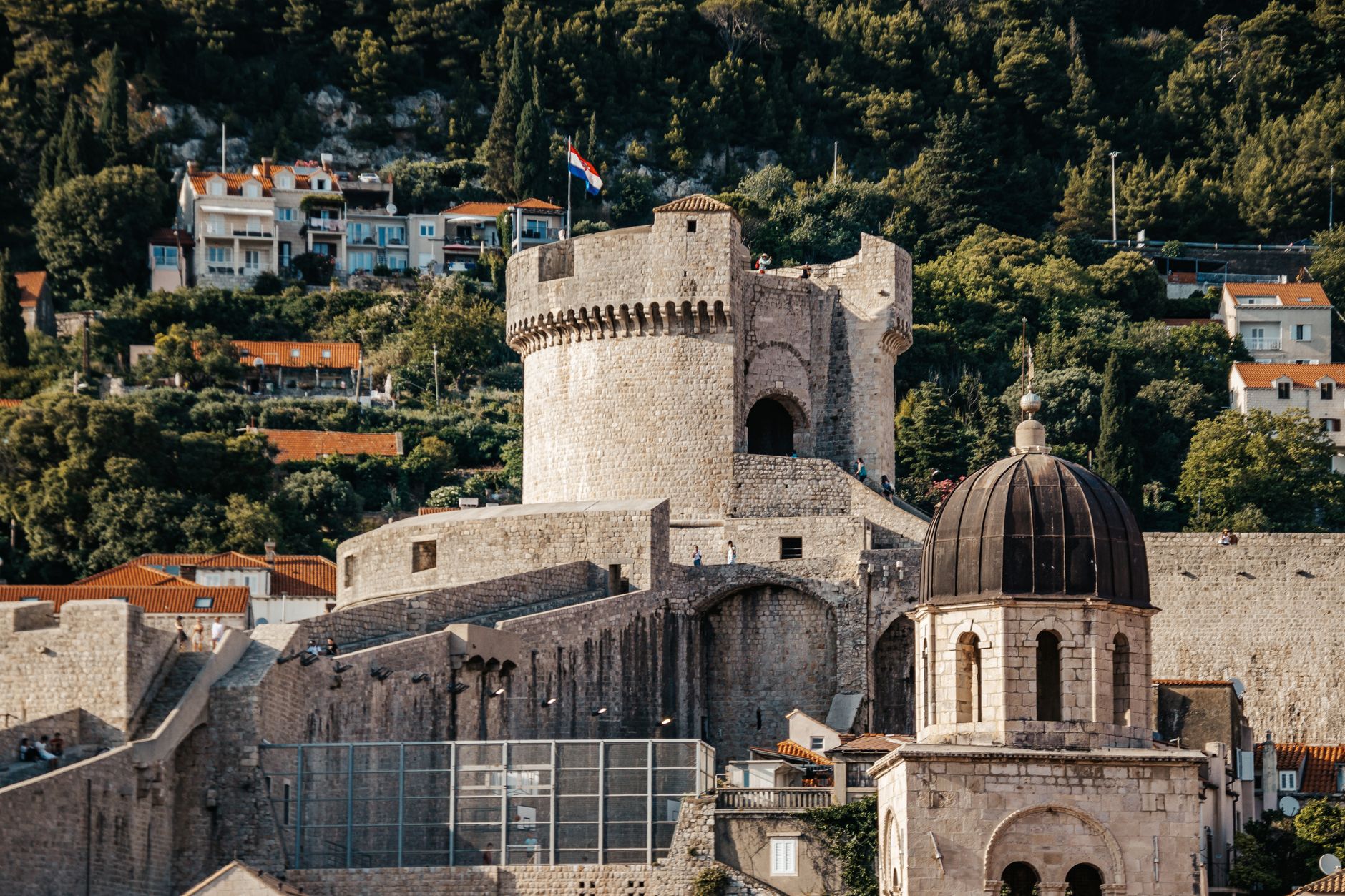
Dubrovnik, often referred to as the "Pearl of the Adriatic," offers retirees a chance to live in a city steeped in history and surrounded by stunning natural beauty. The city's well-preserved medieval architecture and breathtaking coastal views create an enchanting living environment. However, this charm comes at a price. The cost of living in Dubrovnik tends to be higher, with monthly expenses ranging from $3,000 to $5,000.

Life in Dubrovnik can feel like stepping back in time, with its car-free Old Town and cobblestone streets. Retirees may enjoy a slower pace of life, with leisurely strolls along the city walls and quiet evenings by the sea. The city also hosts numerous cultural festivals and events, offering plenty of opportunities for engagement.
A significant tradeoff in Dubrovnik is its limited accessibility. The city's hilly terrain and lack of public transportation can pose challenges for those with mobility issues. Additionally, the heavy tourist presence in the summer months can be overwhelming, impacting the overall tranquility of daily life. Prospective retirees should consider whether the city's historical allure outweighs these practical limitations.
Healthcare and Lifestyle Considerations
Both Split and Dubrovnik offer access to Croatia's public healthcare system, which is generally considered reliable and affordable. However, retirees should be aware that healthcare facilities in Dubrovnik are more limited compared to those in Split. Residents of Dubrovnik may need to travel to larger cities for specialized medical services, which could be a concern for those with ongoing health needs.
In terms of lifestyle, both cities offer a rich array of activities and social opportunities. Split's larger population provides a more diverse social scene, with numerous clubs and organizations catering to expatriates. Conversely, Dubrovnik's smaller community can foster a tight-knit social environment, which may appeal to those seeking close connections.
Ultimately, the decision between Split and Dubrovnik hinges on personal preferences and priorities. Retirees must weigh the tradeoffs between cost, accessibility, and lifestyle to determine which city aligns with their retirement dreams. Whether one seeks the vibrant energy of Split or the historical charm of Dubrovnik, both cities offer unique advantages and challenges that can significantly impact one's retirement experience.


