
Climate in Popular Retirement Destinations
Climate change is increasingly shaping the landscapes and lifestyles of popular retirement destinations, leaving many retirees to reconsider where they want to settle down. As weather patterns become less predictable, it’s worth thinking about the potential impacts on your daily life and whether a favorite destination might still offer the comfort and stability you seek.
What Daily Life Actually Looks Like
Starting your day in a retirement haven increasingly affected by climate change may involve checking the local forecast more carefully than you used to. Weather fluctuations might mean unexpected rainy spells or heatwaves, influencing whether you head out for a morning walk or opt for indoor activities. Some retirees have embraced this by joining community centers or local classes that offer a chance to socialize while staying cool or dry.
Your local interactions can be a mix of camaraderie and adaptation. In coastal areas, for instance, you might find yourself discussing the latest on sea-level rise or how the community is handling frequent storms. Conversations over coffee could include shared tips on sustainable living, or even collective efforts to improve local infrastructure. The community's resilience and adaptability often shine through, offering a sense of solidarity.
Errands and daily tasks may require a bit more planning. If you're living in a location where transportation networks are occasionally disrupted by extreme weather, it may take longer to run your errands. A slower pace of life can become part of the routine, with retirees choosing to shop locally and support nearby businesses. Over time, you'll likely develop a rhythm that accommodates these changes, weaving new habits into your routine.
What Most Americans Get Wrong About This Place
Many Americans might arrive with the assumption that a specific retirement destination offers a permanent escape from the climate issues they face back home. Yet, the reality is that climate change is a global concern and doesn’t spare even the most idyllic locations. It's not uncommon to encounter occasional power outages or water restrictions, challenging the perception that these areas are immune to environmental pressures.
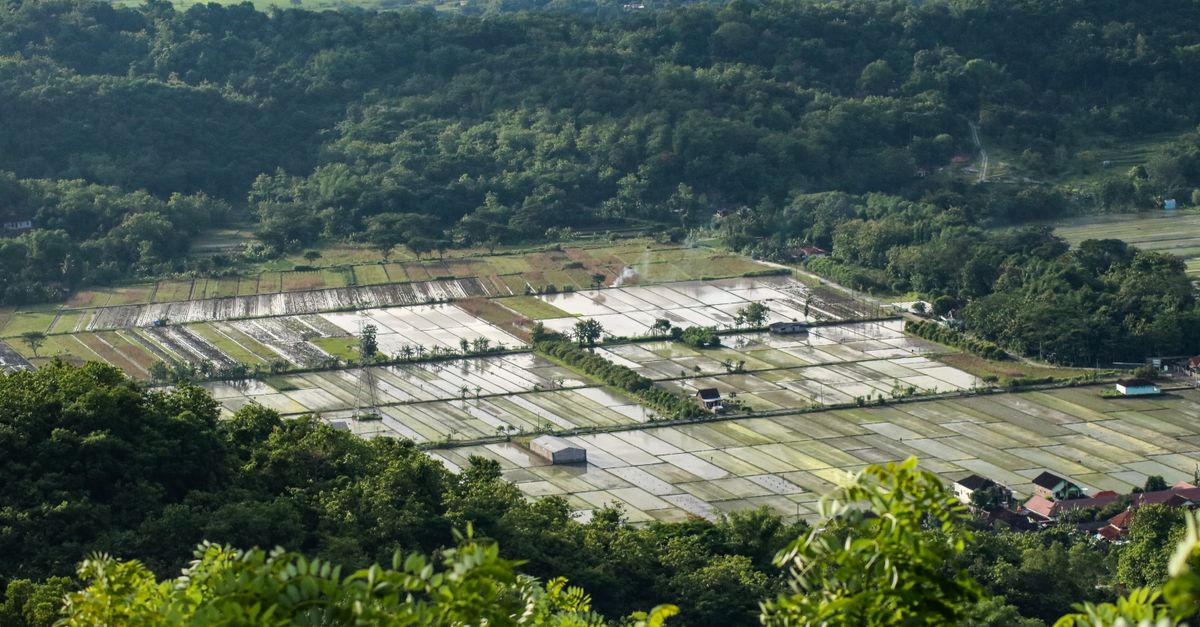
There’s also a misconception that moving to a warmer climate automatically means endless sunny days. While there are certainly lovely days to enjoy, the increase in temperature variability means you might also experience unexpected cold snaps or unseasonal downpours. Adapting to these conditions requires flexibility and a willingness to adjust plans.
Lastly, some may believe that local governments are fully prepared to handle these changes seamlessly. However, infrastructure can vary significantly, and while efforts are often underway to mitigate climate impacts, progress may be gradual. As a retiree, being prepared to navigate occasional bureaucratic hurdles and engage with local initiatives can be an essential part of the experience.
Is This Place Right for You?
Deciding if a climate-affected retirement destination suits you involves reflecting on your adaptability and lifestyle preferences. Those who thrive here are typically open-minded and resourceful, able to adjust their daily routines to accommodate weather fluctuations. They find joy in community engagement and often partake in local environmental initiatives or volunteer work.
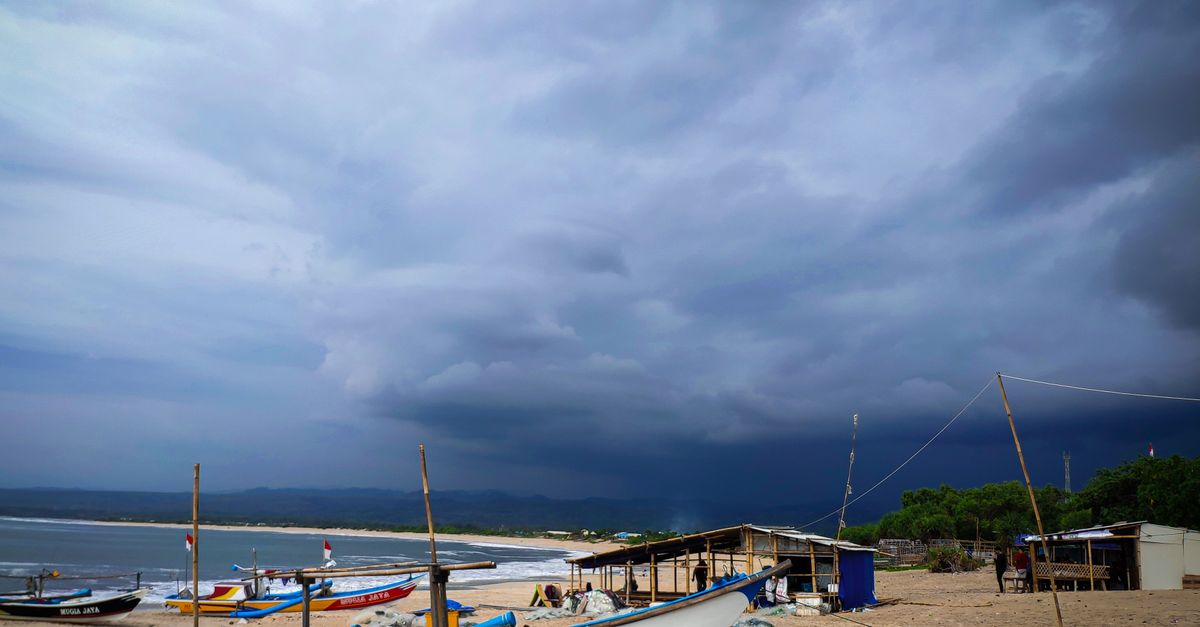
If you’re someone who struggles with change or thrives on predictability, the shifting climate might be more challenging to navigate. It's also important to consider how much you value stability in your living conditions, as some areas might experience more frequent disruptions due to climate effects.
Before making a commitment, consider spending an extended period in your chosen location during different seasons. This can provide insight into how climate variations might affect your day-to-day life and help you determine if the local community and environment align with your vision for retirement. Would the evolving weather patterns enhance or hinder your sense of home?


