
Croatia — Seafood, Cafés, and Daily Culture on the Adriatic
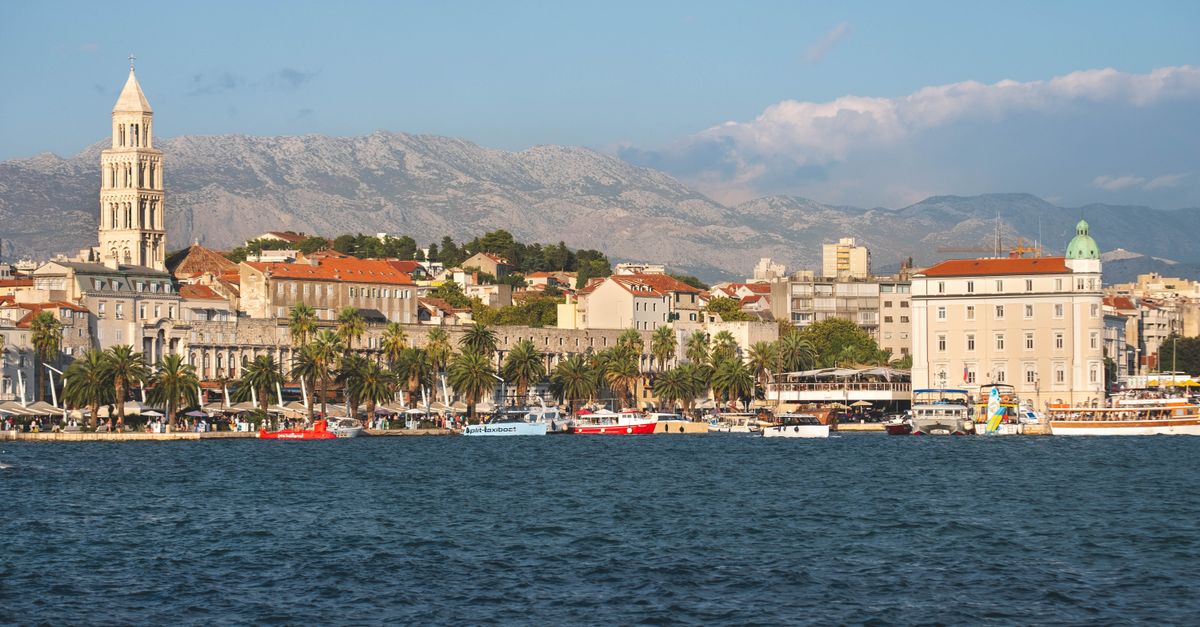
Croatia, with its stunning Adriatic coastline, is a retirement haven that offers a blend of Mediterranean charm and vibrant culture. Whether it's savoring fresh seafood in a quaint café or strolling along ancient cobblestone streets, Croatia presents an enticing mix of experiences. With a budget of $2,000–$5,000 a month, retirees can enjoy a comfortable lifestyle in a country known for its warm hospitality and scenic beauty.
Why Retire Here
Imagine waking up to the sound of waves gently lapping against the shore and sipping your morning coffee on a terrace overlooking the shimmering Adriatic Sea. Croatia offers this idyllic lifestyle, with its picturesque towns such as Split and Dubrovnik, where the old-world charm meets modern conveniences. The pace of life here is relaxed, with locals enjoying leisurely lunches and afternoon strolls through lush parks or along the bustling Riva promenade. The Croatian culture is rich and diverse, deeply rooted in history yet vibrantly alive in its daily life.
From the medieval architecture of Dubrovnik's Old Town to the lively festivals that celebrate everything from wine to lavender, there's always something to see and do. The food scene is particularly delightful, with fresh seafood being a staple in the local diet. Dining at a konoba, a traditional tavern, is a must, where you can indulge in grilled fish, octopus salad, and other Adriatic specialties. Daily life in Croatia is all about enjoying the simple pleasures.
Whether it's a morning swim in the clear waters of the Adriatic or a leisurely afternoon spent people-watching from a café in the historic city of Zadar, retirees will find that the Croatian lifestyle is both fulfilling and rejuvenating. The warm Mediterranean climate means that outdoor activities are possible year-round, allowing for a healthy and active retirement.
Practical Tips

Before moving to Croatia, it's essential to understand the visa requirements. For U.S. citizens, a temporary residence permit is needed for stays longer than 90 days, and it can be renewed annually. The process is straightforward but requires some paperwork, including proof of income and health insurance.
Croatia is generally safe, with low crime rates, making it an ideal destination for retirees looking for peace of mind. When choosing where to settle, consider neighborhoods like Bačvice in Split, known for its sandy beach and vibrant nightlife, or Gruž in Dubrovnik, which offers a more local, less touristy experience with its bustling markets and charming streets. Both areas are walkable and provide easy access to amenities such as shops, restaurants, and healthcare facilities. Language can be a barrier, as Croatian is the official language, but many locals speak English, especially in tourist areas, making communication easier.
Expat life in Croatia is thriving, with communities in major cities like Zagreb, Split, and Dubrovnik. Joining local clubs or attending community events can help new residents integrate and make lasting friendships. There are also several online forums and social media groups where expats share tips and advice, making the transition smoother and more enjoyable.
Cost & Healthcare
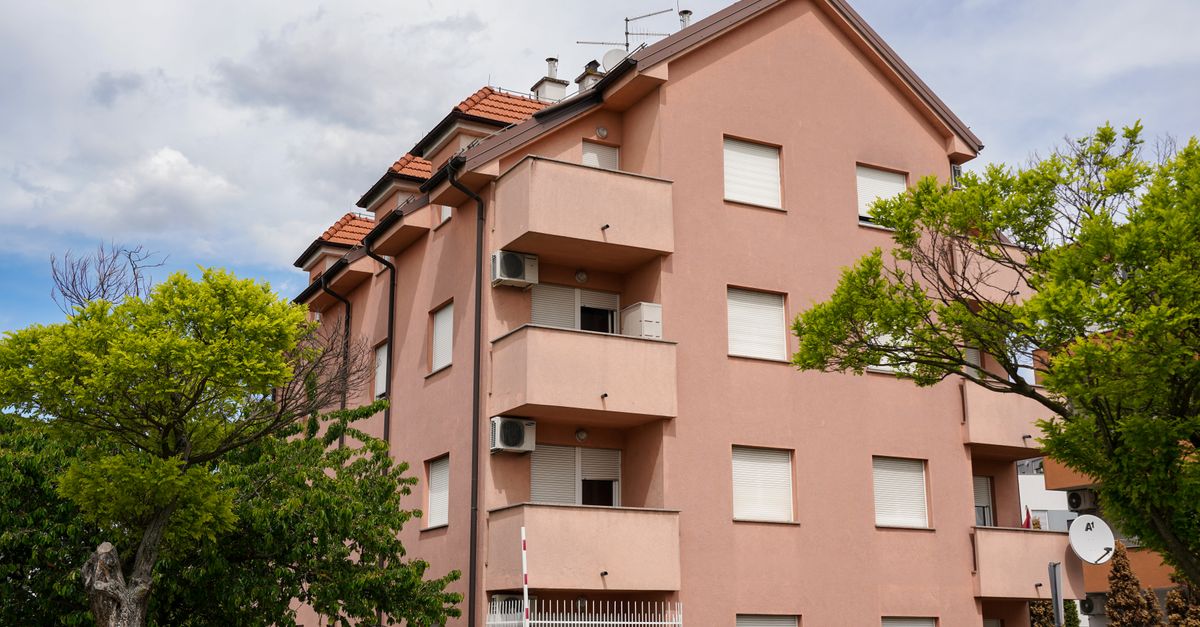
Living in Croatia is relatively affordable compared to other European countries. Rent for a one-bedroom apartment in the city center can range from $400 to $800 per month, while outside the city, it drops to $300 to $600. Dining out is also budget-friendly, with a meal at a mid-range restaurant costing around $10 to $20. Groceries are reasonably priced, especially if you shop at local markets where you can find fresh produce, cheese, and seafood.
Transportation in Croatia is efficient and inexpensive. Public buses and trams operate within cities, with monthly passes costing around $50. For exploring the stunning Croatian coastline and islands, ferries are a popular and affordable option. Owning a car is not necessary in most urban areas due to the excellent public transport system and the walkability of the cities.
Healthcare in Croatia is of high quality and affordable. The country has a universal healthcare system, and expats can access services once they have a residence permit. Private healthcare is also available and is relatively inexpensive compared to U.S. standards.
Many doctors speak English, and the facilities are well-equipped, ensuring that retirees have access to excellent medical care when needed. Retiring in Croatia offers an enriching experience where culture, comfort, and affordability seamlessly blend. Whether you're captivated by the Adriatic's serene beauty or the vibrant local culture, Croatia welcomes you with open arms to enjoy your golden years.