
Costa Rica — Food, Nature, and Pura Vida Culture for Retirees
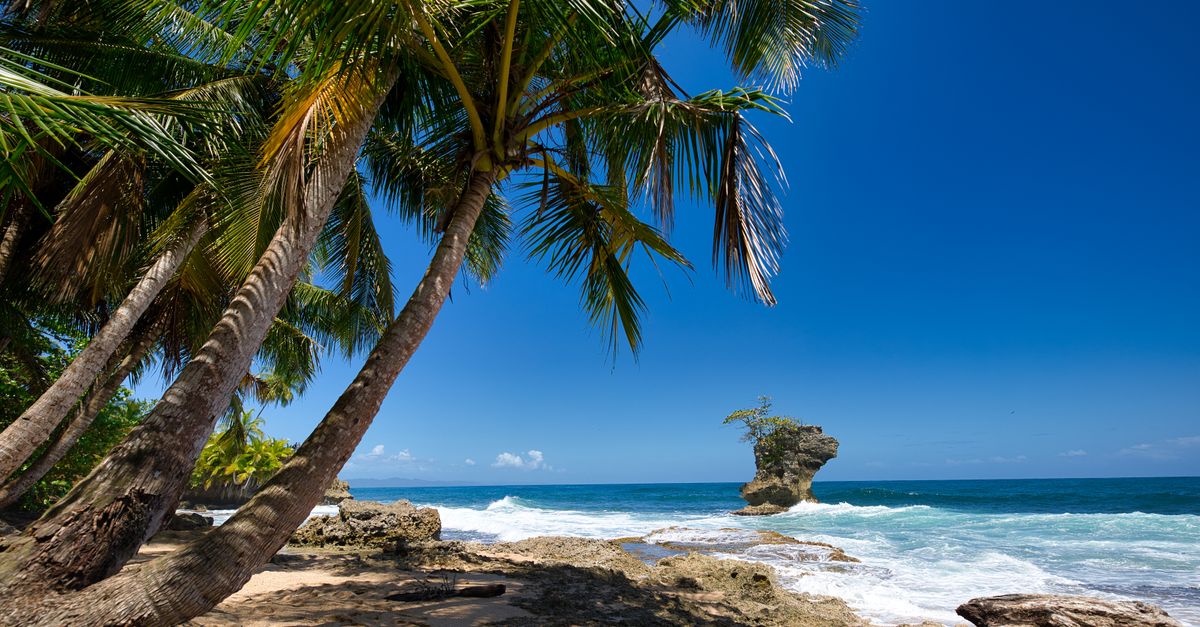
Costa Rica, with its lush rainforests, stunning beaches, and warm, welcoming people, offers retirees an appealing blend of affordability and adventure. Known for its "Pura Vida" lifestyle, Costa Rica invites you to slow down and savor the simple pleasures of life. Whether you're sipping coffee in a quaint café or exploring the vibrant wildlife, this Central American jewel promises a retirement filled with discovery and relaxation.
Why Retire Here
Costa Rica's natural beauty is breathtaking, from the misty cloud forests of Monteverde to the golden beaches of Guanacaste. Imagine waking up to the sound of howler monkeys and tropical birds, with a view of the Arenal Volcano in the distance. The country's diverse ecosystems are a haven for nature lovers, offering endless opportunities for hiking, bird watching, and exploring national parks. The serene landscapes and temperate climate make it an ideal retreat for those seeking both relaxation and outdoor activities.
The "Pura Vida" culture, which translates to "pure life," is more than just a saying; it's a way of life that emphasizes happiness, health, and community. In Costa Rica, you'll find a slower pace of life where people prioritize well-being and connection. Daily routines often include leisurely walks along the beach, enjoying fresh local cuisine, and participating in community events. The friendly locals, known as Ticos, are known for their hospitality and warmth, making it easy for expats to feel at home.
Cultural experiences abound, from vibrant festivals celebrating Costa Rican heritage to the colorful art and music scenes in cities like San José. The capital city offers a blend of modern amenities and traditional charm, with museums, theaters, and galleries showcasing the country's rich history and creativity. Whether you're exploring the bustling markets or taking a cooking class to learn about local cuisine, Costa Rica offers a rich tapestry of experiences that cater to a wide range of interests.
Practical Tips

Retiring in Costa Rica is relatively straightforward, with several visa options available for expats. The Pensionado Program is particularly popular, requiring proof of a stable monthly income of at least $1,000 from a pension or retirement fund. This visa grants you residency and access to the national healthcare system, known as Caja. The application process is well-documented, and many expats find it beneficial to work with legal professionals familiar with Costa Rican immigration laws to ensure a smooth transition.
Safety is a common concern for retirees, and Costa Rica is considered one of the safest countries in Central America. Neighborhoods like Escazú and Santa Ana in the Central Valley are popular among expats for their security, modern amenities, and proximity to healthcare facilities. These areas offer a mix of gated communities and apartment complexes, providing a sense of safety and community. Additionally, many towns have active expat networks that can provide support and advice for newcomers.
While Spanish is the official language, English is widely spoken in tourist areas and among the expat community. However, learning basic Spanish can greatly enhance your experience and integration into local culture. Many retirees take language classes or participate in language exchange programs to improve their skills. Engaging with Ticos in their native language can deepen your connections and enrich your daily interactions, making your retirement even more fulfilling.
Cost & Healthcare

Costa Rica offers a comfortable lifestyle for retirees on a budget of $2,000 to $5,000 per month. Housing options range from affordable apartments in smaller towns to luxurious homes in expat-friendly areas. For example, renting a two-bedroom apartment in San José can cost between $600 and $1,200 per month, depending on the neighborhood and amenities. Coastal areas like Tamarindo might be slightly more expensive due to their popularity among tourists and expats.
The cost of living in Costa Rica is generally lower than in the United States, particularly when it comes to fresh produce and dining out. Local markets offer a bounty of fresh fruits and vegetables at reasonable prices, and eating at local sodas (small family-run restaurants) can be both delicious and economical. Public transportation is affordable and efficient, with buses connecting major cities and towns, making it easy to explore the country without the need for a car. Healthcare in Costa Rica is highly regarded, with both public and private systems available.
The public healthcare system, Caja, provides comprehensive services at a low cost to residents, including retirees with a Pensionado visa. Many expats also opt for private healthcare, which offers shorter wait times and English-speaking doctors. Private health insurance is available and can be tailored to fit your needs and budget, ensuring you have access to high-quality medical care. Retiring in Costa Rica offers a unique opportunity to enjoy a rich and fulfilling lifestyle surrounded by natural beauty and vibrant culture.
With its affordable cost of living, welcoming communities, and excellent healthcare, Costa Rica is a top destination for retirees seeking adventure and tranquility. Embrace the "Pura Vida" spirit and discover the joys of retiring in this tropical paradise.